
A reduced asking price can create an opportunity to negotiate, but the opportunity depends on what the home is worth, what else is available, and what you can comfortably afford. For Tampa Bay buyers, the useful next step is to compare the revised price with competing homes and decide whether a further reduction, closing-cost help, or repairs would make the purchase work. Florida ownership costs belong in that comparison from the beginning.
A home does not become a bargain simply because its listing carries a “price reduced” label. A seller who started too high may still be asking more than comparable properties support. Another home may offer better value despite never having a reduction.
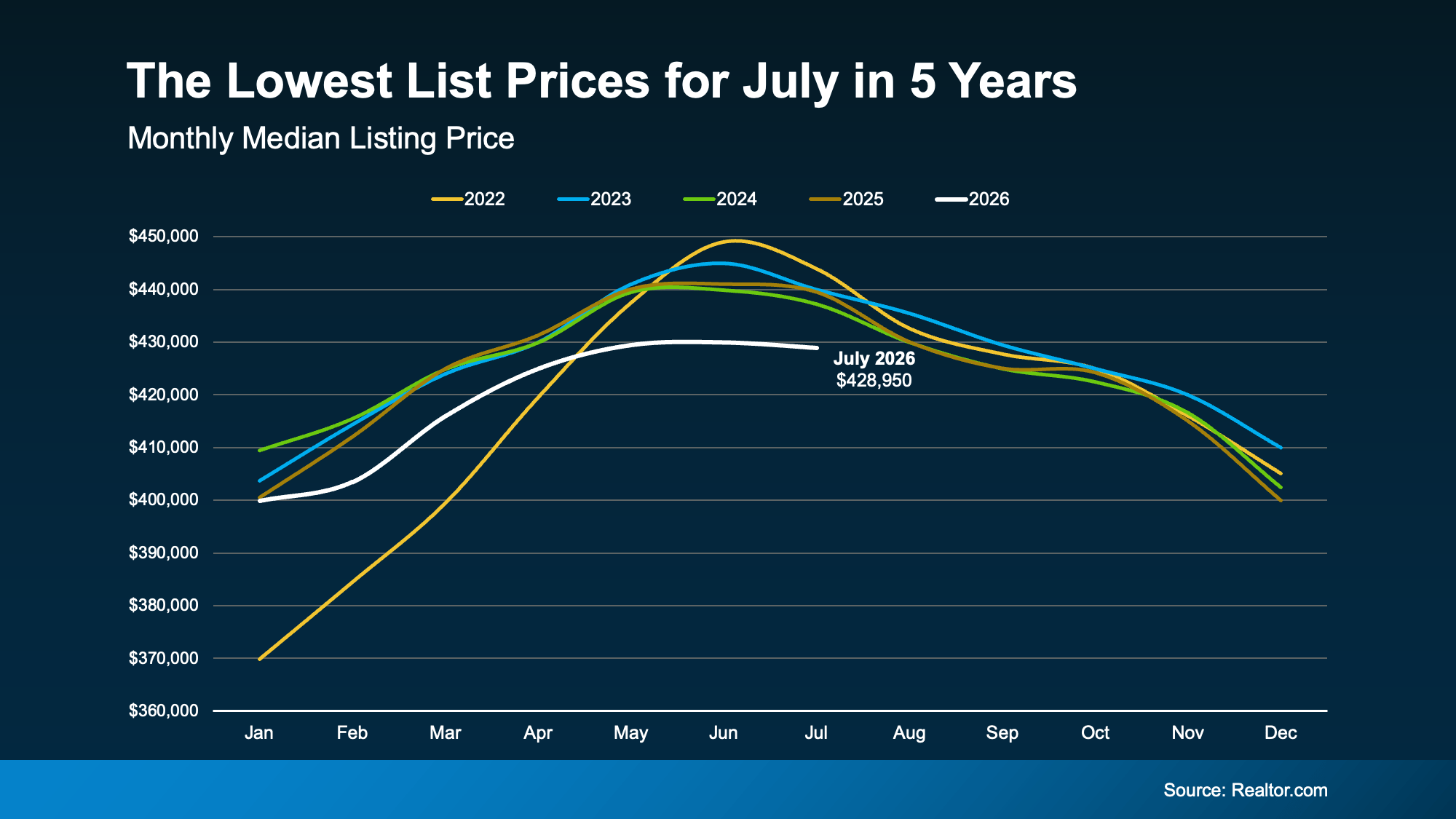
Realtor.com’s national comparison places the median listing price at $428,950 in July 2026, below the July level in each of the previous 4 years. That reflects asking prices for the homes on the market, which can change as the mix of listings changes.
For a search in Riverview or Apollo Beach, compare the revised asking price with recent sales and the homes you would realistically buy instead. Account for differences in condition, floor plan, lot, and community costs. If a nearby new home offers an incentive, compare its full price and financing terms with the resale before deciding which offers better value.
Keep competitively priced new listings in the search, too. Filtering only for reductions can exclude homes that were priced reasonably from the start.
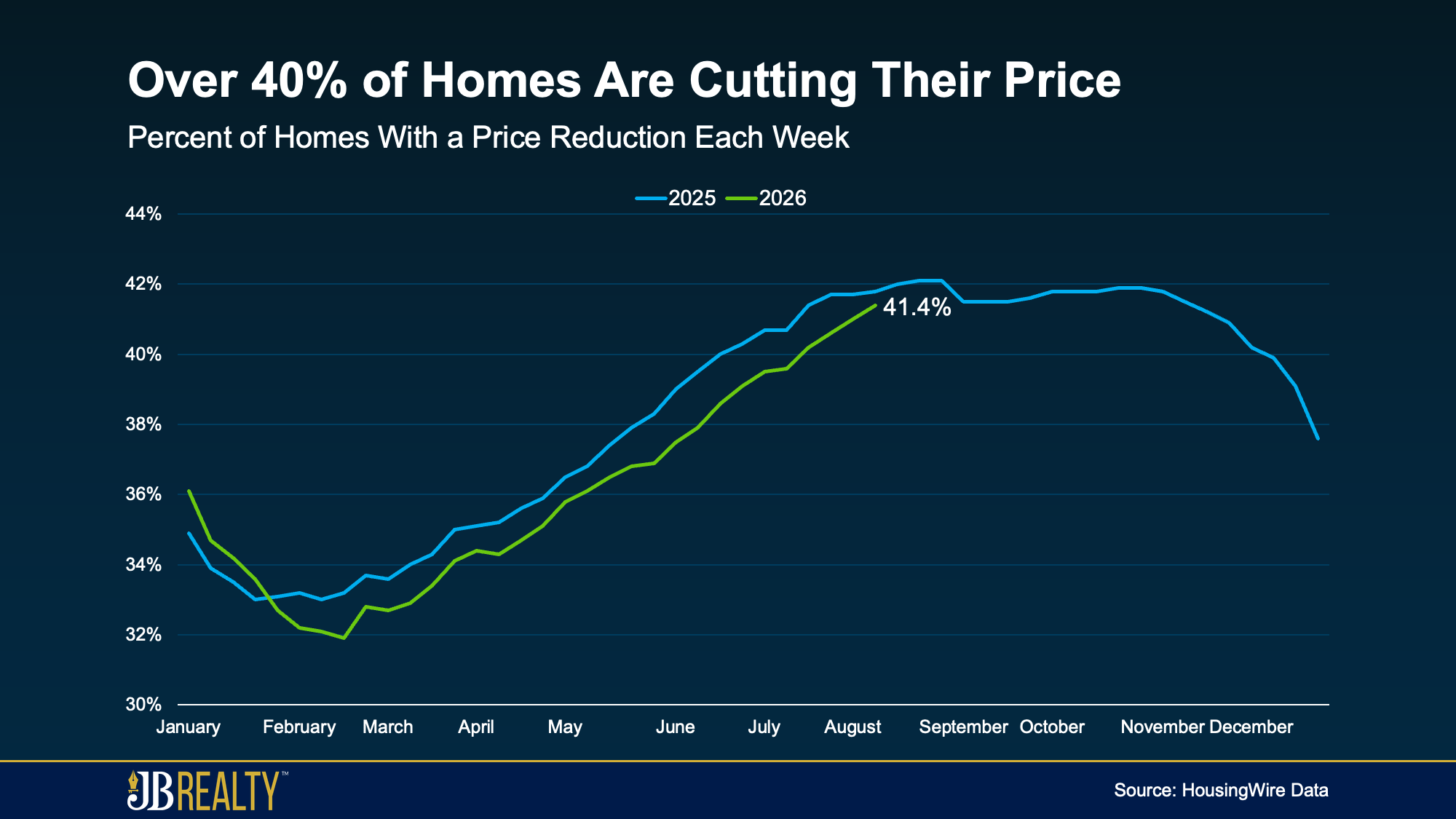
HousingWire’s early-August price-cut data found that about 41.4% of active single-family listings nationally had taken a price cut as of August 7, 2026. The weekly snapshot counts active listings with a recorded reduction during their listing period.
For an individual property, ask when the price changed, whether the adjustment generated new interest, and how the revised price compares with similar homes. A seller may have reduced enough to attract several buyers. Another may still need to address a price or condition mismatch.
Your room to negotiate as a buyer depends on those details. Use comparable sales, competing listings, and documented repair needs to support the offer. A reduction is a reason to investigate the opportunity without assuming the seller will accept any number.
Decide which constraint you are trying to solve: the monthly payment, cash needed at closing, or money available for work after the purchase. Different concessions can address different needs.
For illustration, assume a $400,000 home, a 20% down payment, and a 30-year fixed mortgage at 6.5%. Compare these 2 hypothetical options:
The payment comparison excludes taxes, insurance, and association charges. A lower price may better support a long-term payment goal, while closing-cost assistance may preserve more cash upfront.
Ask your lender to compare the actual options using the Loan Estimate’s payment and cash-to-close figures. Confirm allowable seller contributions, eligible expenses, and any financing or appraisal constraints before writing the offer.
A purchase still needs to work after the closing. Obtain an insurance quote for the specific property and ask how the roof’s age, condition, and other features affect coverage. Review official flood information and discuss coverage needs with your insurance agent.
Use the county property appraiser’s resources to estimate taxes for your purchase. Confirm HOA dues and any Community Development District assessments, including which amounts are already included in the projected tax bill. These checks help prevent a low advertised payment from leaving out expenses you will actually pay.
For a condo, review the association’s financial documents, assessments, and building insurance with the appropriate professionals. For a home needing work, obtain realistic repair estimates before deciding how much cash you can use at closing. A price reduction provides little practical relief if the purchase leaves you unable to address necessary repairs.
Build the offer around a price supported by the property and terms that address your priorities. If closing cash is the obstacle, discuss a credit with your lender before negotiations begin. If condition is the concern, connect any repair request to inspection findings and cost estimates.
Timing can also be part of the discussion. A closing date that suits the seller may help an otherwise workable offer, provided it fits your financing and moving plans. Consider the complete agreement, including contingencies, costs, and deadlines.
Through our Tampa Bay buyer representation, we help buyers compare properties and shape an offer around the available evidence. The aim is a purchase that fits your needs and budget, with clear reasons behind the terms you propose.
Yes. You can propose a lower price, although the seller may accept, counter, or decline. Base the amount on comparable sales, condition, and competition rather than assuming a previous reduction creates an automatic additional discount.
There is no standard percentage that works across properties. A home with little direct competition may warrant a different approach from one surrounded by similar listings. Start with a supported value range and consider the other terms you are requesting.
It depends on whether your priority is reducing borrowing or preserving cash for closing and the period afterward. Ask your lender to calculate both options and confirm how much credit you can use. Compare the resulting payment, cash required, and overall purchase terms.
Waiting may be reasonable when the current price exceeds what comparable homes support or what you can afford. It also leaves the possibility that another buyer purchases the property first. If the home fits your needs, an evidence-based offer can test the seller’s flexibility without committing you to the asking price.
Ask JB Realty to compare recently reduced homes in your target area and help you decide whether a lower price, closing-cost credit, or repair request would best support your purchase.