
Buyers generally hold more negotiating leverage across the Tampa metro in 2026, but that advantage is not automatic on every property. A home’s price range, condition, location, and property type can create a seller-leaning pocket inside a broader buyer-leaning market. For Tampa Bay buyers, the practical opportunity is more choice and room to negotiate; for sellers, success depends on matching price and terms to the competition buyers can see.
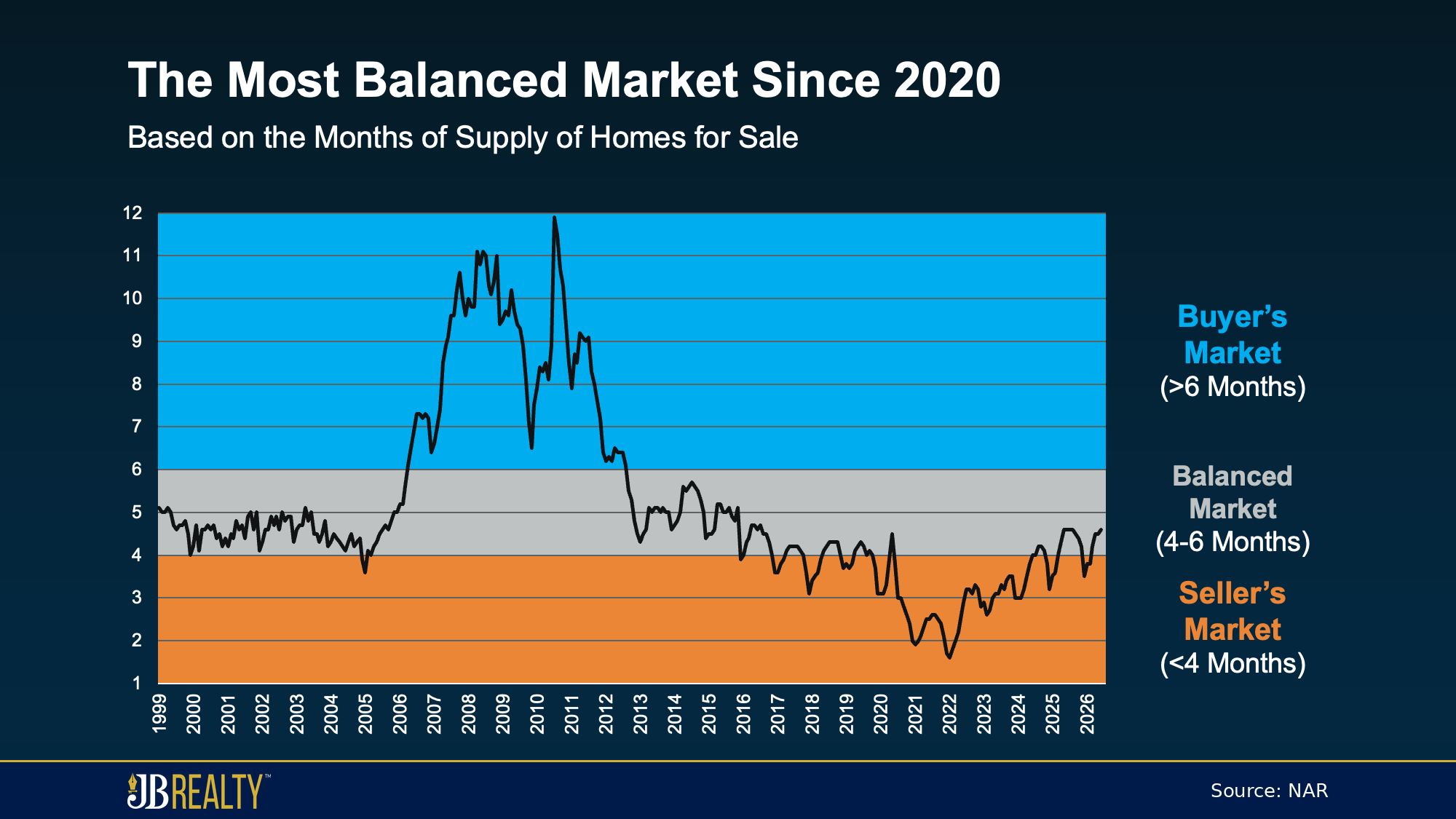
Months of supply estimates how long the homes currently listed would take to sell at the recent sales pace if no new listings entered the market. As a general guide, fewer than 4 months tends to favor sellers, 4–6 months suggests a more balanced market, and more than 6 months tends to favor buyers.
Recent national data placed existing-home inventory at a 4.6-month supply, within that balanced range. That number is useful for context, but it is not a verdict on a particular Tampa Bay home. Inventory can differ across counties, communities, price bands, and property types, and the balance can change quickly.
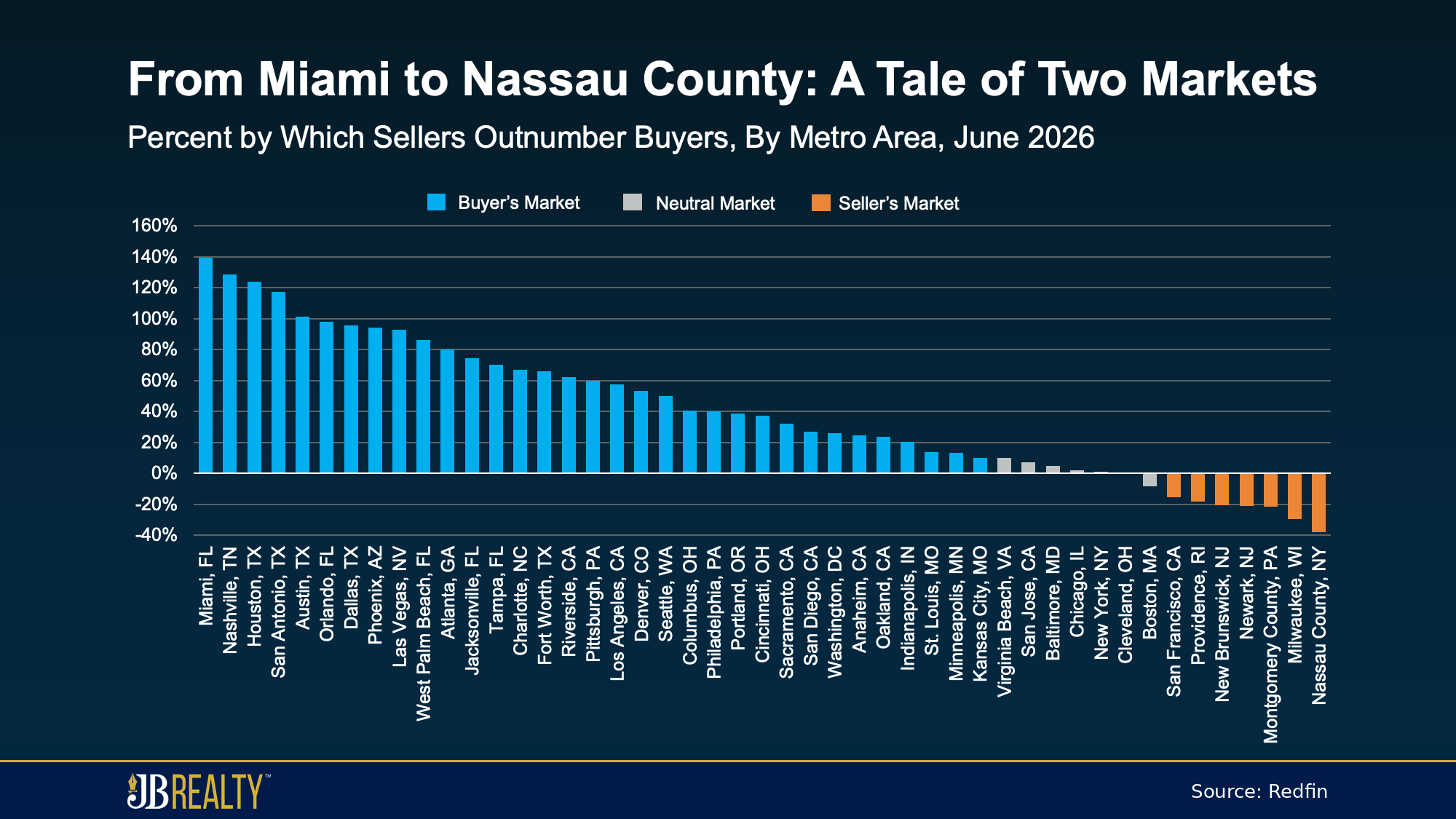
Local and property-type data reveal a more useful picture. Redfin’s July 2026 balance-of-power estimate classified Tampa as a buyer’s market and estimated 74.7% more sellers than buyers in the metro. That proprietary measure is different from months of supply, but both indicators help describe how much choice and competition buyers may encounter.
Property type matters just as much as geography. Florida Realtors’ June 2026 housing report reported a 4.5-month statewide supply of existing single-family homes and an 8.1-month supply of condo-townhouse properties. A single market label can therefore hide very different negotiating conditions.
The supplied June metro comparison captures the same broader pattern: buyer leverage appeared across many major metros, including Tampa, while a smaller group still favored sellers.
Metro-level data should guide the first question, not settle the final decision. The real comparison set is the group of homes a buyer would reasonably consider instead of the subject property.
Imagine a well-maintained single-family home in Riverview that is priced close to recent comparable sales and has little direct competition in its price range. It may attract quick interest even when the wider metro favors buyers. A buyer who assumes every seller must accept a steep discount could lose the property or weaken an otherwise workable offer.
Now consider a St. Petersburg condo competing with several similar units in the same building or nearby communities. If comparable listings have accumulated market time or reduced their prices, the buyer may have more room to discuss price, closing costs, repairs, or timing. The buyer still needs to review the association documents, budget, reserves, pending assessments, building insurance, and financing eligibility before treating the property as a bargain.
These examples are why JB Realty evaluates active listings, pending sales, recent closings, price changes, days on market, and contract history together. One statistic rarely explains the full negotiating position.
More leverage does not mean every low offer will succeed. It means a prepared buyer may have more ways to build a favorable agreement. Through our Tampa Bay buyer representation, we help buyers identify which terms matter most and support the offer with property-specific evidence.
Useful options may include:
The strongest request is not always the largest price reduction. A closing-cost credit may preserve cash, while a convenient closing date may matter more to the seller. Before finalizing an offer, the lender should confirm contribution limits and financing effects.
Buyer-leaning conditions do not prevent a successful sale, but they reduce the margin for pricing and presentation mistakes. A seller should compare the home not only with past sales, but also with the active listings buyers will see on the same screen.
Our Tampa Bay home-selling services begin with the home’s likely competition, condition, and target buyer. Sellers can also request a home-value estimate to review recent sales and current listings before choosing a price.
Sellers should decide in advance how they will respond to requests involving price, credits, repairs, and timing, then compare each offer’s net result. Gathering relevant permit, roof, insurance, HOA, or condo information can also reduce buyer uncertainty.
In Florida, purchase price is only part of affordability. Insurance premiums, flood coverage, property taxes after a change of ownership, HOA or CDD charges, and condo assessments can materially change the monthly and upfront cost.
A Tampa Bay buyer should obtain an insurance quote, review the flood zone, investigate roof age and insurability, and understand community fees before contract deadlines. Condo buyers should also review association finances, reserves, assessments, rules, and building insurance. Direct legal, lending, tax, and insurance questions to qualified professionals.
This due diligence can also affect leverage. A documented repair need or unusually high ownership cost may support a targeted request, but it does not guarantee the seller will agree. The goal is to connect the negotiation to evidence and the buyer’s actual budget.
Broad metro data currently leans toward buyers because estimated sellers outnumber buyers. That does not mean every Tampa Bay property is negotiable on the same terms. The relevant answer depends on the home’s location, property type, price range, condition, and direct competition.
A common rule of thumb treats more than 6 months of supply as buyer-favoring, 4–6 months as balanced, and fewer than 4 months as seller-favoring. Those bands are guides, not guarantees, and should be checked against local activity.
A buyer may negotiate seller credits, repairs, a lender-approved rate buydown, closing dates, occupancy, or included personal property. Availability and value depend on the seller, the contract, the loan program, the appraisal, and other transaction requirements.
Recent statewide data showed substantially more condo-townhouse inventory than single-family inventory, which can give condo buyers more choices. Conditions still vary by building and area, and financing, insurance, reserves, assessments, and association documents can be as important as the price.
Yes. A well-priced home with limited direct competition can still attract several buyers. Sellers should prepare for that possibility without assuming it, and buyers should judge the specific property rather than relying only on the metro label.
Ask JB Realty to compare active competition, recent comparable sales, and realistic negotiation options for the specific Tampa Bay home you plan to buy or sell before you set a list price or write an offer.