
Builders may be more willing to negotiate on a finished home because an unsold property keeps capital tied up and continues to generate carrying costs. Your strongest request connects a specific home, a realistic closing date, and a concession that solves your budget problem. For buyers considering Ruskin, that means evaluating a particular completed address rather than assuming every community offers the same deal.
A homeowner who does not need to move may postpone selling. A builder with completed inventory has already spent money on construction and may have financing, maintenance, and other expenses while waiting for a buyer. A dependable closing can therefore have value alongside the purchase price.
That does not establish how much a particular builder will negotiate. A newly completed home with strong interest may have less flexibility than another property that has remained available longer. Ask when construction finished, not just when marketing began, because a listing can predate completion.
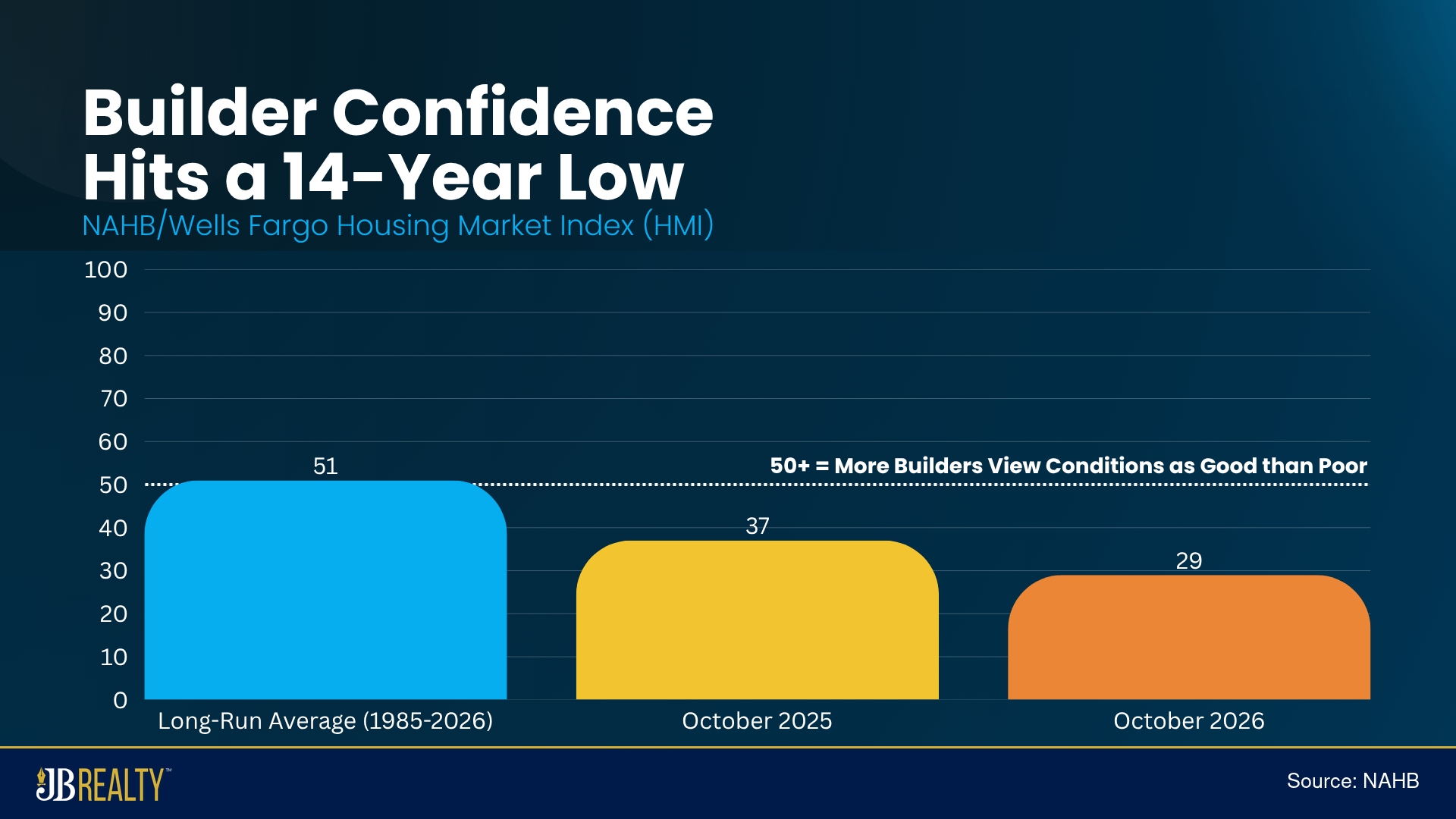
The national backdrop helps explain why asking is worthwhile. The National Association of Home Builders’ October 2026 report put its Housing Market Index at 29, the lowest reading since June 2012. This measures builder sentiment about newly built single-family homes, not a percentage decline in home values or a Ruskin market reading.
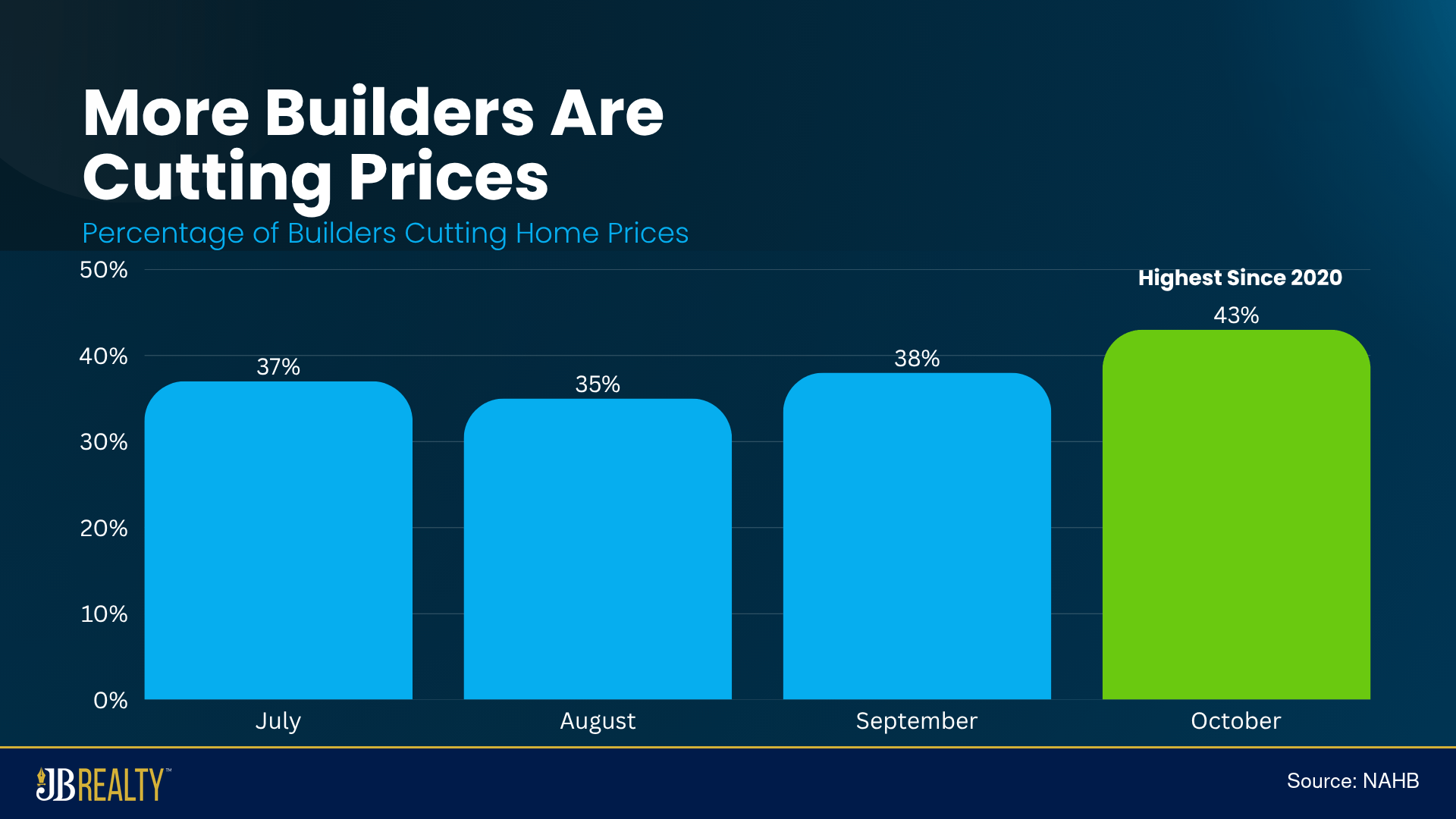
The same survey found that 43% of builders cut prices in October and 65% used sales incentives. Those groups can overlap. Among builders cutting prices, the average reduction was 6%; that is not a discount every buyer can claim.
Choose the property before negotiating the advertisement. A promotion may apply only to selected addresses, loan programs, or closing dates. Obtain the complete price and written incentive terms for the home you would actually purchase.
Confirm which appliances, finishes, and lot features are included. A finished home may offer fewer customization choices, so distinguish an acceptable compromise from something you would immediately pay to replace. Our discussion of new-construction costs and incentives explains how those extras affect the comparison with resale homes.
Next, decide which constraint matters most: purchase price, cash needed at closing, or the ongoing payment. That gives your offer a clear purpose instead of turning it into a list of unrelated requests.
For a hypothetical example, consider a $400,000 home. You could ask the lender to model a purchase at $400,000 with a $10,000 builder credit toward eligible closing costs, then compare it with a $390,000 price and no credit. The first option may preserve more cash at closing; the second may reduce the loan amount and ongoing payment, depending on your down payment and financing.
These are different structures, not interchangeable $10,000 benefits. Confirm eligible expenses and loan-program limits before relying on a credit. An unused closing-cost allowance generally does not become cash you receive, and it should not be treated as money for your down payment.
An advertised concession becomes useful when its conditions fit your purchase. Before signing, work through these terms together:
If an incentive requires the builder’s preferred lender, compare the complete financing package with an outside lender’s offer. Include points, fees, cash needed at closing, and payments after any temporary buydown ends. A larger credit can accompany a more expensive loan.
Ask what happens if the builder, permitting process, or lender cannot meet an incentive deadline. Do not assume a verbal promise extends the promotion or changes the contract. Have a Florida real estate attorney review provisions whose legal effect you do not understand before you sign.
A home can look complete while final paperwork or agreed work remains outstanding. For a property in unincorporated Hillsborough County, including Ruskin, the county’s building-permit records instructions explain how to find inspection results and certificates of occupancy through HillsGovHub for current permits.
Confirm the certificate of occupancy status and any remaining steps with the builder before relying on a move-in date. County approvals do not replace your own inspection or establish that every finish meets the purchase agreement.
Arrange independent inspection access within the contract’s deadlines. At the walkthrough, record agreed corrections, who will perform them, and the expected completion dates. Ask how unresolved items will be handled before committing to close; do not assume every concern automatically becomes a warranty repair afterward.
Read the warranty’s coverage, exclusions, reporting deadlines, and claim procedure. Keep the signed specifications, inspection report, walkthrough list, and written agreements together so you can distinguish a promised correction from a later warranty claim.
You can request a lower price, but the builder may accept, counter, or decline. Compare similar available homes and recent sales, then support your request with the property’s price, condition, and terms. National incentive statistics do not establish the right offer for a particular address.
A feasible earlier closing may appeal to a builder holding completed inventory. Confirm lender timing, occupancy documentation, and inspection access first. Offer a date you can meet without abandoning necessary review.
Sometimes, but a price reduction, closing credit, and financing promotion may have different eligibility rules or exclude one another. Request a written breakdown for the exact home and loan option. Have the lender confirm which credits can actually be used.
No. Its layout, location, included features, financing, and overall cost still need to fit your plans. A concession has limited value if it persuades you to accept a home you would otherwise reject.
If you have a completed home in mind, we can help you prepare an offer that connects your price request, incentive priorities, and a workable closing schedule.