The Federal Reserve influences mortgage rates, but it does not set the rate on your home loan. Waiting for a Fed announcement therefore does not guarantee a better mortgage offer. If you are buying in Clearwater, the more useful question is whether the home, financing, and closing timeline work within your budget without depending on a future rate drop.
The Fed sets a target range for the federal funds rate, an overnight borrowing rate between banks. A 30-year fixed mortgage operates in a different market, with pricing shaped by expectations about inflation, economic growth, and future interest rates.
The Federal Reserve Bank of St. Louis explains that longer-term financial markets play a central role in mortgage pricing. Investors trade mortgage-backed securities, which are investments supported by pools of home loans. The returns investors require help influence what lenders charge borrowers.
The 10-year Treasury yield is a useful benchmark, but mortgage rates do not match it exactly. The difference also reflects mortgage-related risks, lending costs, and lender pricing. That gap can change, so a Treasury yield movement does not translate into an identical mortgage rate movement.
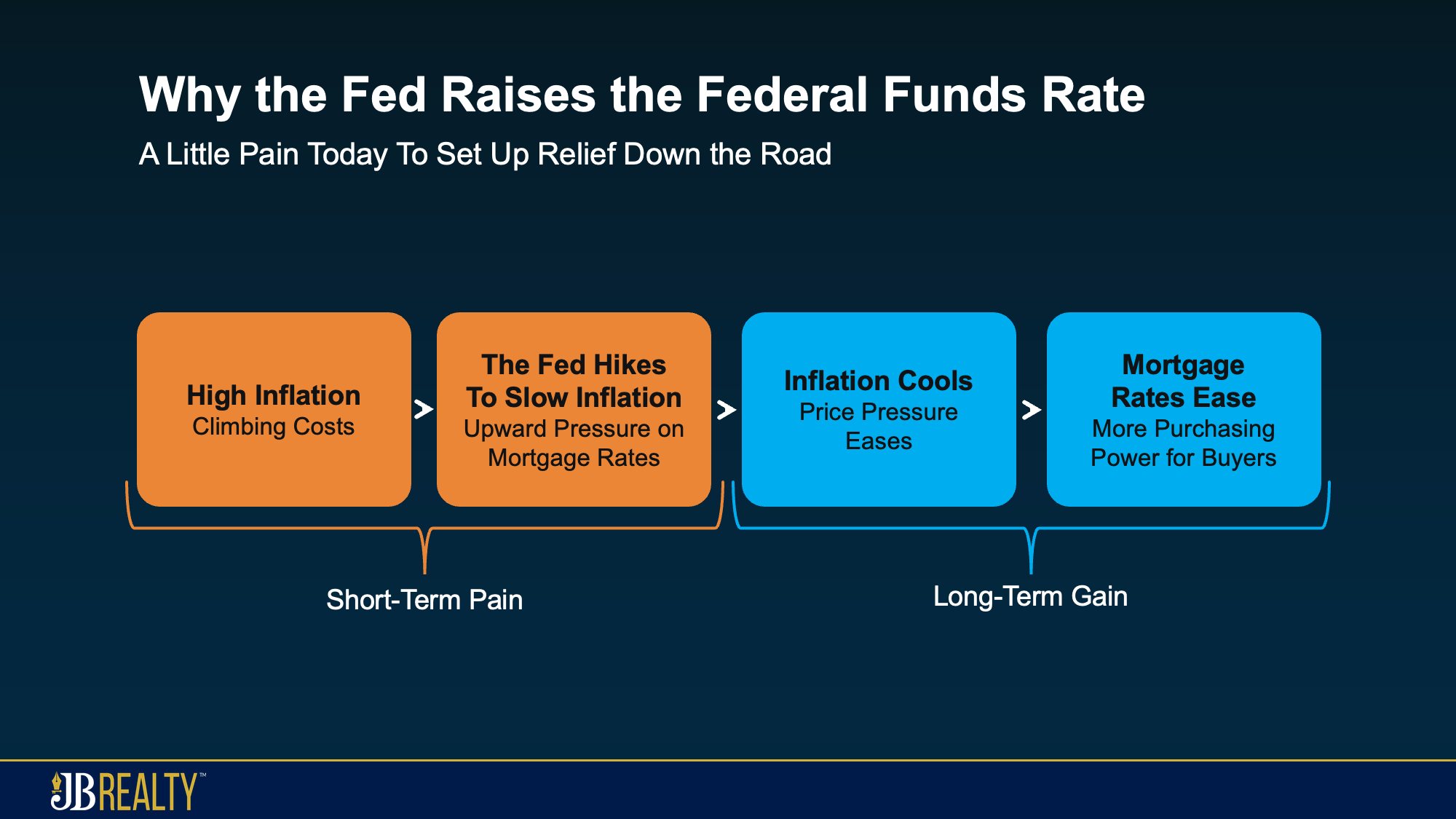
Higher short-term rates are intended to restrain demand and help control inflation. If inflation expectations improve, that can create room for mortgage rates to ease. This is a possible economic path, with uncertain timing and outcomes.
Financial markets respond to expectations before a meeting takes place. An anticipated Fed decision may already be reflected in mortgage offers. New inflation data or an unexpected policy message can matter more than the decision itself.
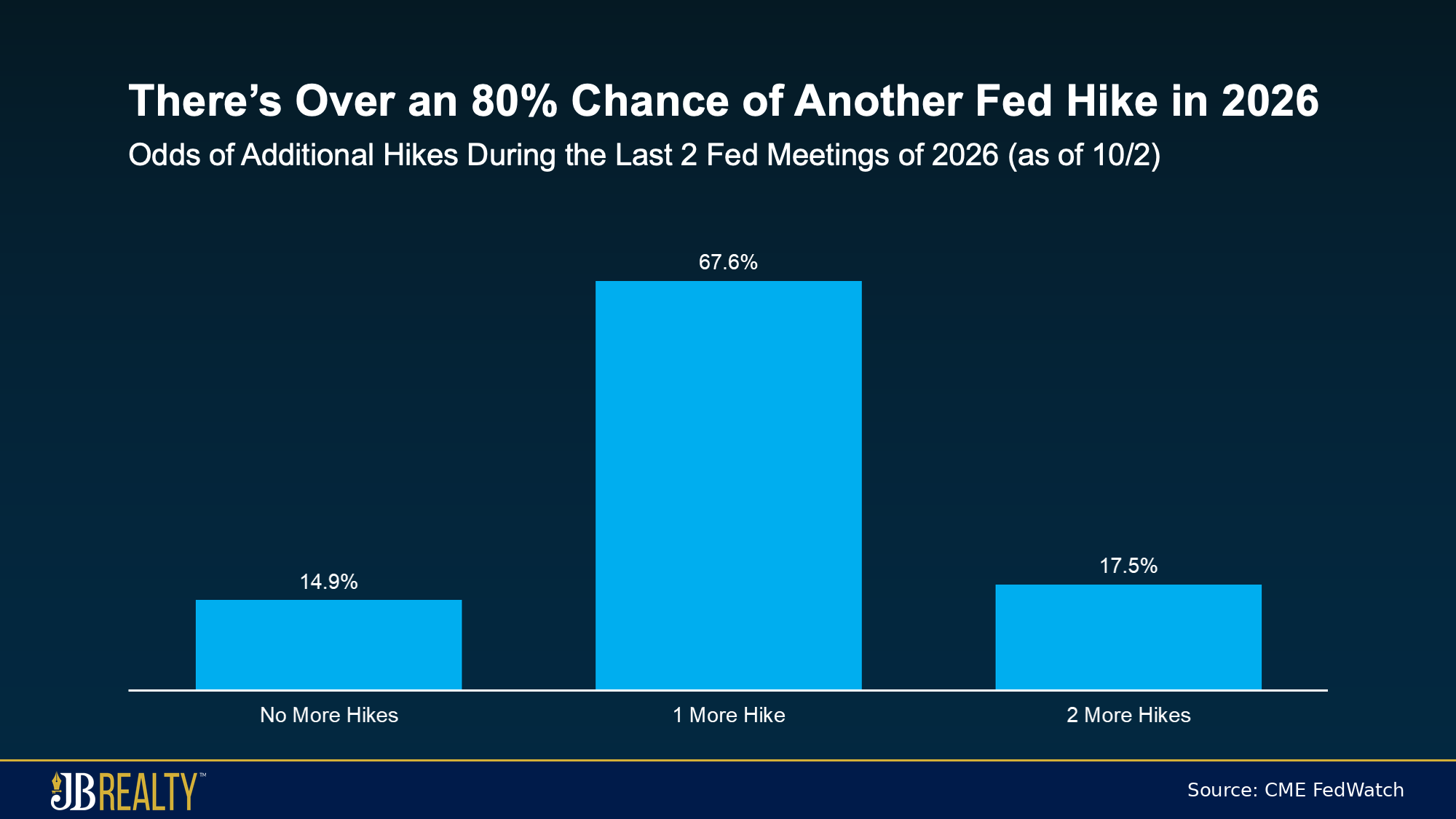
Consider the October 2, 2026 snapshot attributed to CME FedWatch, which estimates policy probabilities using federal funds futures prices. It assigned a 67.6% probability to 1 additional hike and 17.5% to 2 additional hikes during the year's remaining meetings. Together, those outcomes represented an 85.1% probability of at least 1 more hike at that time.
Those are dated market expectations about Fed policy. They are neither a commitment by the Fed nor a forecast of your mortgage rate, and the probabilities change as markets receive new information.
For a buyer, this makes a meeting date a poor substitute for a financing plan. A lender's written quote tells you what is available for your application and purchase scenario; a policy headline does not.
A hypothetical $350,000 mortgage with a 30-year fixed term would have these approximate monthly principal-and-interest payments:
These are illustrative rates, not current quotes. The calculation assumes the same loan amount and term and excludes property taxes, insurance, mortgage insurance, HOA dues, and other ownership costs. A 0.5 percentage-point mortgage rate difference also does not imply a matching Fed rate change.
Ask your lender to run the payment at your quoted rate and at a somewhat higher rate before setting your search ceiling. If a modest increase makes the payment uncomfortable, consider a lower purchase price or more preparation time. Avoid stretching your budget because you expect to refinance later.
Our guide to comparing mortgage rate quotes covers the borrower-specific details and fees that can make offers differ even on the same day.
Waiting can be productive when it gives you a concrete benefit, such as a larger cash reserve, less monthly debt, or clearer plans about how long you expect to own the home. Waiting solely for a lower mortgage rate leaves the result outside your control.
Before pausing your search, consider 3 questions:
There is no automatic financial advantage to either choice. Buying sooner introduces ownership costs and responsibilities; waiting can involve additional rent, another move, or losing a particular home. Compare those consequences against your own timeline rather than assuming rates or home prices will move in your favor.
For a Clearwater purchase, compare the financing alongside the specific property's insurance quote and tax assumptions. A manageable loan payment alone does not establish a manageable ownership budget.
Once you have a purchase and loan scenario, discuss locking versus leaving the rate unlocked with your lender. Preapproval by itself does not confirm that a rate is locked.
A lock generally protects the agreed rate for a specified period, provided the application and transaction meet its conditions. Ask for the expiration date, any extension costs, what changes could affect the terms, and whether a lower rate would be available if market rates fell after locking.
Match that period to a realistic closing schedule. If inspections, repairs, or construction completion could delay closing, address the potential financing cost before choosing the lock period. The goal is to understand the terms you can secure and the risks you are accepting.
A Fed hike does not change the interest rate or scheduled principal-and-interest payment on an existing fixed-rate mortgage. Your total payment can still change if taxes, insurance, or other escrow expenses change.
A cut alone does not establish that refinancing would save you money. Compare an actual refinance offer, closing costs, remaining loan term, and how long you expect to keep the new mortgage before deciding.
Pause if the available homes and financing do not fit your budget or you need time to strengthen your finances. If you are ready, continuing to look lets you evaluate real options without committing to buy before the numbers work.
You may find different offers by comparing lenders or discussing loan options and discount points. Ask about the complete cost of each option, since a lower rate can require more cash upfront. Our guide to comparing mortgage offersexplains how to evaluate those tradeoffs.
We can help you build a buying plan around homes that fit your budget and timeline, using the financing scenarios you review with your lender.