The mortgage rate you see online may be an average or an advertised offer based on assumptions that do not match your purchase. Your lender’s quote can be higher or lower depending on your credit, down payment, loan program, property, fees, and timing. For Tampa Bay buyers, the practical next step is to compare written financing offers and the complete ownership budget before deciding what home price feels comfortable.
A lower interest rate can come with higher upfront costs. Ask lenders to price the same loan amount, down payment, loan type, term, and rate-lock period as close to the same time as practical. Otherwise, differences in the assumptions can make one offer look cheaper than it really is.
When you receive a Loan Estimate, compare:
The Consumer Financial Protection Bureau’s Loan Estimate explainer identifies where these details appear. A Loan Estimate describes expected terms and costs; receiving one does not mean the lender has given final loan approval.
Also compare the annual percentage rate (APR), which reflects interest and certain financing charges. It is a broader borrowing-cost measure than the interest rate alone, but it does not replace reviewing the actual fees, payment, and cash requirements.
Discount points are upfront charges paid for a lower interest rate. In a simplified hypothetical comparison, paying $3,000 more upfront to save $75 per month takes 40 months to recover through payment savings. That calculation assumes other costs are equal and excludes other financial effects. Ask the lender to compare options against how long you expect to keep the mortgage.
Mortgage pricing reflects both the broader lending market and the details of your application. A strong credit profile may help, but it does not guarantee the lowest advertised rate. Different lenders can also offer different pricing for the same borrower.
Your down payment affects the loan amount and loan-to-value ratio (LTV), which compares the loan with the property value used by the lender. Your debt-to-income ratio (DTI) compares monthly debt obligations, including the proposed housing payment, with gross monthly income before taxes. DTI can affect qualification and available loan options; it does not produce one universal rate adjustment.
Loan program, repayment term, property type, occupancy, and rate-lock timing also matter. Before moving money, paying off debt, or increasing your down payment, ask your loan officer which changes would improve the available terms while preserving adequate cash for closing and reserves.
Some lenders offer a quick prequalification based largely on information you provide, then perform a more detailed review before issuing a preapproval. That review may include income records, account statements, and credit information. Ask what has actually been verified and what conditions remain.
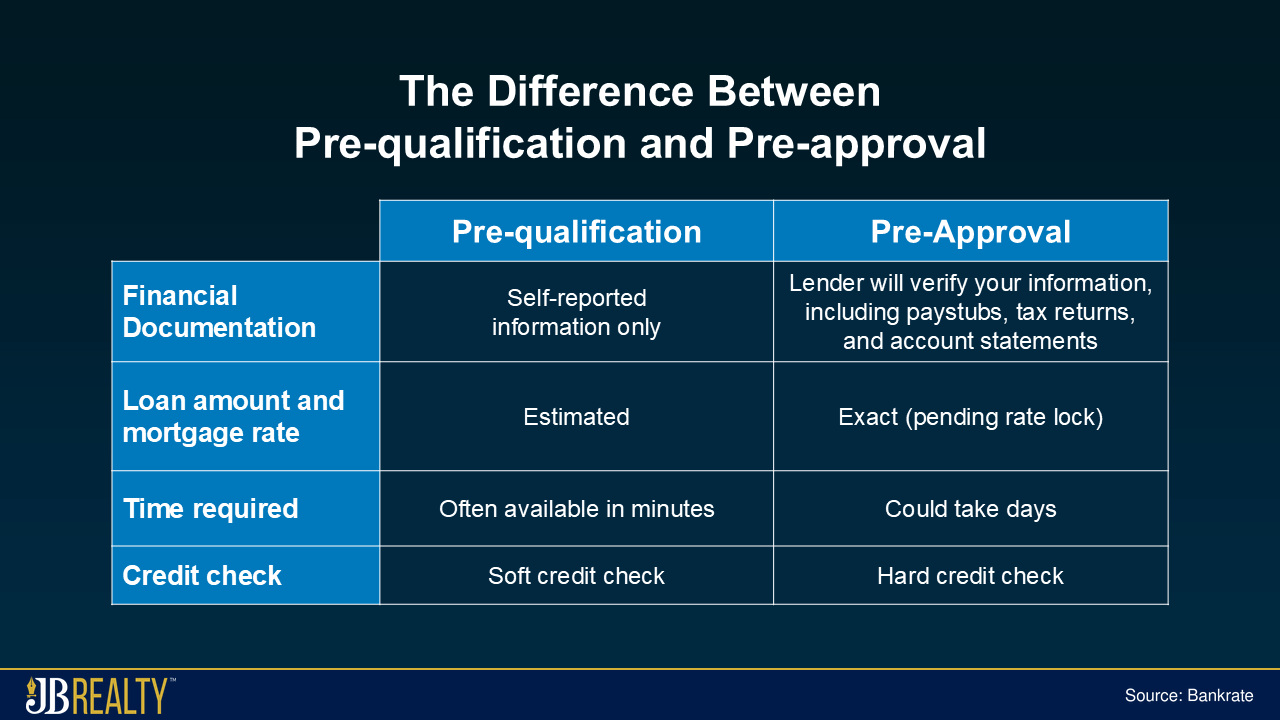
Lenders use these labels differently, so the name of the letter alone does not establish the depth of the review. Preapproval remains conditional and does not automatically lock a rate or guarantee a final loan amount. Property details, the appraisal, and changes in your finances may still affect the outcome.
A rate lock is a separate issue. Confirm the locked terms, expiration date, and what happens if closing is delayed. A lock generally protects the quoted rate through the stated period when application details remain unchanged, but its conditions and extension costs need to be understood.
A permanent buydown generally uses upfront discount points to reduce the mortgage’s interest rate. A temporary buydown instead subsidizes payments for a limited period without changing the underlying note rate. These arrangements solve different budgeting problems.
Under Fannie Mae’s temporary buydown guidance, borrowers must qualify at the note rate rather than the subsidized payment rate. Ask your lender which rules apply to your loan and request the payment schedule through the end of the subsidy. Evaluate whether the later payment fits your budget without assuming you can refinance first.
Seller or builder credits may help with eligible closing expenses or an approved buydown, but a credit does not automatically lower the interest rate. Have the lender confirm its permitted use and limits. Our guide to new-construction costs and incentives explains how to compare a builder’s complete offer with resale alternatives.
For a buyer comparing homes in Riverview or Apollo Beach, the same loan amount and interest rate can still produce different ownership budgets. Include property taxes, homeowners insurance, any required flood coverage, HOA dues, and Community Development District (CDD) assessments. Check which charges are already included in the lender’s estimate so you count them once.
Use the county property appraiser’s official resources to check tax assumptions and obtain property-specific insurance quotes from a licensed professional. For new construction, ask whether the tax estimate reflects the completed home. These checks help prevent an attractive principal-and-interest payment from becoming the only number guiding your search.
If a builder advertises a special rate, request the terms for the actual home you would buy. Confirm whether the offer requires a preferred lender, carries points or other fees, has a closing deadline, or includes temporary payment assistance. Compare an outside lender’s offer after accounting for incentives that change with your lender choice.
At JB Realty, our Tampa Bay buyer representation connects property comparisons and purchase negotiations with the financing scenarios you review with your lender. The goal is a home and offer structure that fit your complete budget.
The advertised rate may assume a different credit profile, down payment, loan type, property, or amount of discount points. Ask the lender to identify those assumptions and explain the terms available for your application. Your quote may also differ because it was prepared at a different time.
No, preapproval by itself does not establish a rate lock. Ask for confirmation of whether your rate is locked, the expiration date, and any conditions that could change it. Also ask about costs if your closing requires an extension.
Compare the additional upfront cost with the monthly savings and how long you expect to keep the loan. Selling or refinancing before recovering that cost can change the value of paying points. Have your lender calculate both options while considering your cash reserve.
Potentially, if the credit is permitted and used for an eligible permanent buydown. A credit used for other closing expenses does not automatically change the rate. Ask the lender to compare the allowed uses and their effect on upfront cash and ongoing payments.
No. Compare the home’s complete price, lender fees, points, credits, and payment schedule with the alternatives. If the payment benefit is temporary, evaluate the payment after it ends and confirm all eligibility and closing requirements in writing.
Ask JB Realty to help compare the homes and purchase terms that fit the lender-reviewed payment and cash-to-close budget you are comfortable with.