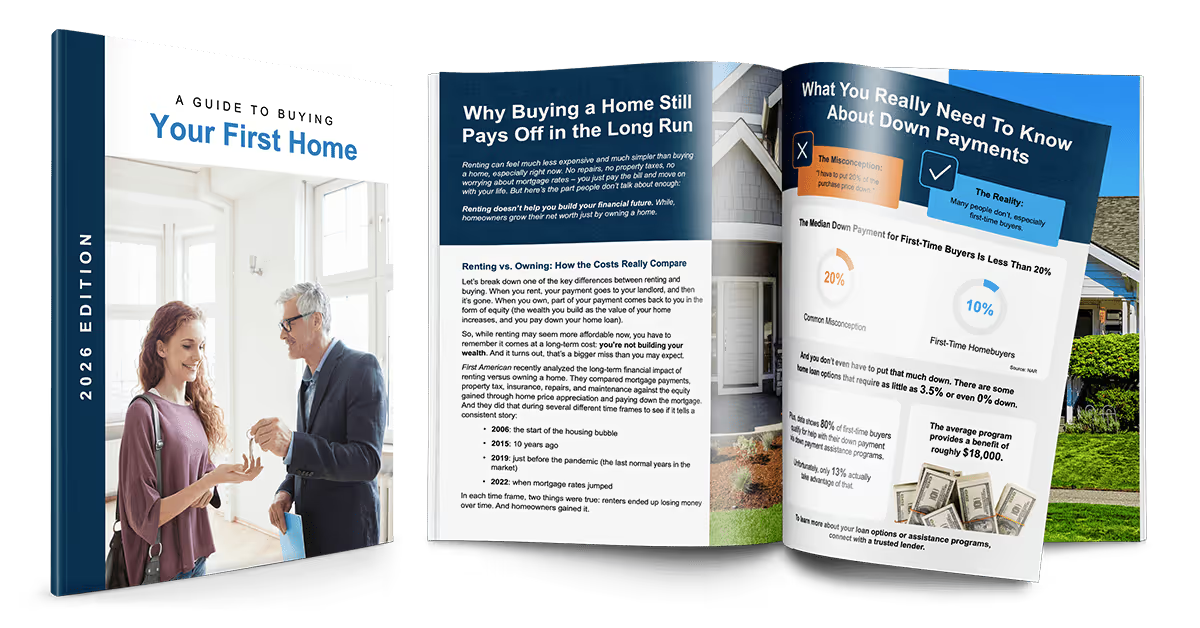
You may be able to buy your first home sooner by choosing a lower-priced property and a mortgage that allows less than 20% down. For buyers searching in Brandon and nearby Valrico, the useful starting point is a budget that covers the monthly payment, closing expenses, and money left for repairs. A smaller savings target helps only if owning the home remains manageable afterward.
A 20% down payment can reduce borrowing costs, but it is not a universal requirement. Some conventional mortgages allow qualified buyers to put down as little as 3%, while eligible FHA borrowers may qualify with 3.5% down. Your credit, income, debts, property, and loan program affect what is available.
The National Association of Realtors’ 2025 Profile of Home Buyers and Sellers, covering purchases from July 2024 through June 2025, reported a 10% median down payment for first-time buyers and 19% for all buyers. Those figures describe completed purchases nationwide. They are neither minimum requirements nor recommended targets for your household.
Putting less down generally means financing more of the price. Conventional loans typically require private mortgage insurance, or PMI, with less than 20% down; FHA loans have their own mortgage-insurance charges. Ask your lender to compare the cash required, payment, insurance, and fees for the programs you qualify for.
Consider a hypothetical $300,000 home. The down payment alone would be:
These are illustrations, not loan offers or estimates of the total cash needed. Closing costs, prepaid expenses such as insurance, and initial escrow deposits can add to the amount required. Inspections, moving expenses, and repairs also need room in your budget.
Ask the lender for an estimate of cash to close, meaning the funds needed at settlement after accounting for deposits, credits, and other adjustments. Keep a separate reserve for expenses after you receive the keys. Spending every available dollar to make a larger down payment can leave you poorly prepared for an appliance failure or unexpected repair.
When you compare mortgage offers, use the same purchase price and assumptions so differences in payments, fees, and available cash are clear.
Your first home does not have to meet every long-term preference. A smaller house, a different layout, or fewer cosmetic updates may bring the purchase within reach without compromising the features you use daily.
For a Brandon search, separate your requirements from preferences before touring. Decide which bedroom count, commute, storage, and major repair needs you can accept. Then compare nearby options using the same monthly spending limit rather than assuming a particular community will always be cheaper.
A lower price also needs a condition check. A house requiring an immediate roof replacement may demand more available cash than a higher-priced home with fewer urgent repairs. For a condominium or townhome, review association dues, what they cover, financial records, known assessments, and financing eligibility before treating the list price as the affordability answer.
The strongest starter-home choice is one you could comfortably occupy if your next move takes longer than expected.
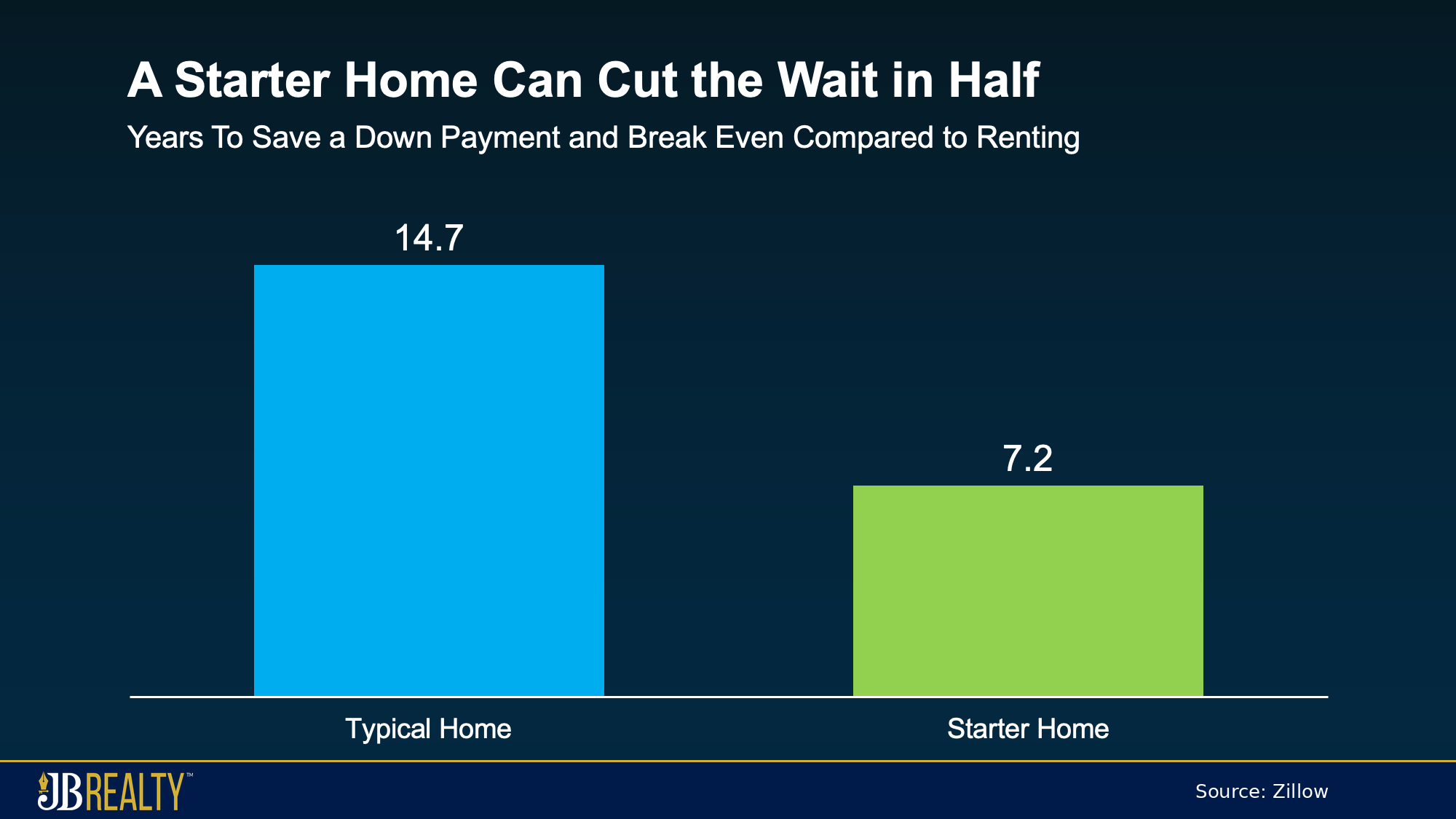
In its August 2026 saving and break-even analysis, Zillow estimated a national combined timeline of 14.7 years for a typical single-family home, compared with 7.2 years for a starter home. It defined starter homes as the lowest third of regional home values and assumed households saved 10% of local median income toward a 20% down payment.

The typical-home total combines 8.5 years of saving with 6.2 years after buying. The starter-home total combines 4.6 years of saving with 2.6 years after buying. These are modeled national scenarios, not a prediction for your purchase or years you must wait to begin searching.
The rental comparisons also differ: the typical-home scenario uses single-family rents, while the starter-home scenario uses multifamily rents. Your own comparison should use a realistic rental alternative, current financing, ownership expenses, and likely selling costs. Buying sooner does not guarantee that owning will outperform renting sooner.
Hillsborough County’s down payment assistance information identifies assistance through the Housing Finance Authority for eligible buyers, including help with down payments and closing costs. Assistance can take the form of a second mortgage, so it should not automatically be treated as money you never repay.
Have a participating lender verify eligibility, current funding, property requirements, and repayment terms before including assistance in your purchase plan. Ask what happens if you sell, refinance, or stop occupying the property, and whether homebuyer education is required. Compare the complete assisted loan with the financing available without assistance.
Some conventional programs allow 3% down for qualified borrowers. Approval depends on the program, your finances, and the property, and closing expenses may require additional funds.
A larger down payment can reduce the loan balance and may eliminate conventional PMI. Keeping more cash can help cover repairs and emergencies, so compare both options using actual lender quotes and the reserves remaining afterward.
No. A home may cost less because it is smaller, has fewer features, or sits in a different location. Evaluate its inspection findings and immediate costs rather than assuming a lower price means major renovation work.
There is no single break-even period that applies to every buyer. Purchase expenses, financing, maintenance, future sale proceeds, and the cost of renting all affect the comparison, so test several possible move dates before buying.
No. Programs can have different repayment, occupancy, and eligibility requirements. Obtain the current terms from the program administrator or participating lender and understand the obligations before accepting assistance.
We can help you build your first-home search around a lender-reviewed payment range, available cash, and properties whose condition fits your budget.