Mortgage debt in America has reached a record high, and that can sound alarming at first. When people hear that homeowners owe more mortgage debt than ever, it is easy to assume the housing market may be under serious pressure.
But the headline by itself does not tell the full story. Debt matters, but equity matters too. And when you look at both together, today’s housing market looks much stronger than the headline suggests.
For homeowners in the greater Tampa Bay area, this is especially important. Higher insurance costs, property taxes, mortgage rates, and everyday expenses have made affordability a real concern. But that does not mean the market is built on the same weak foundation we saw before the 2008 housing crash.
Yes, total mortgage debt is high. That is partly because home values are much higher than they were years ago, and many buyers have taken on larger loans to purchase homes in a more expensive market.
But mortgage debt is only one side of the equation. The other side is the total value of the homes securing that debt and the amount of equity homeowners have built.
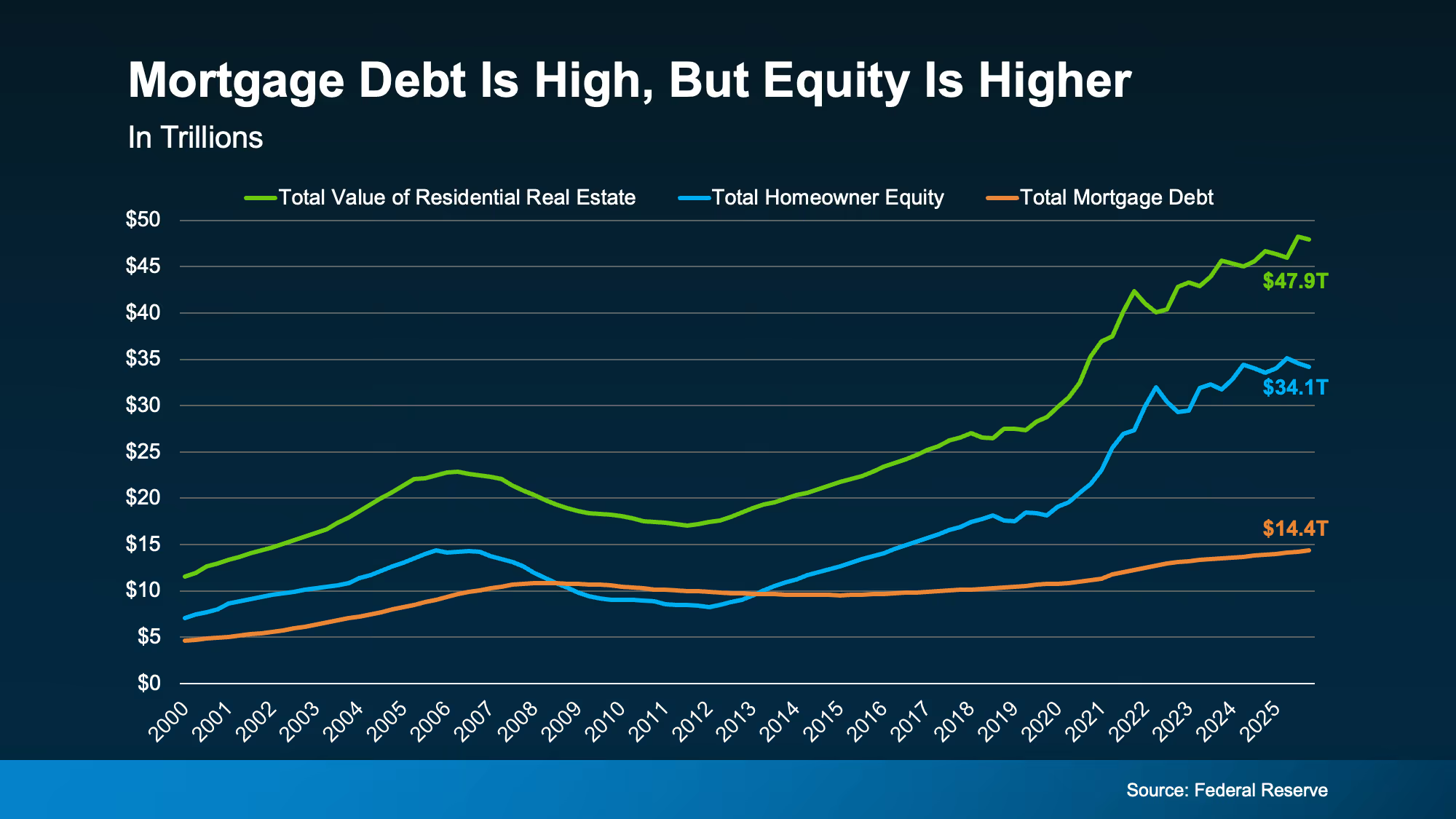
The visual shows that homeowner equity is far higher than total mortgage debt. That matters because equity acts like a financial cushion. When homeowners owe much less than their homes are worth, they generally have more options if life changes, income changes, or they need to sell.
That is the opposite of what happened during the last major housing crisis. Back then, many homeowners owed more than their homes were worth. If they fell behind, selling was not always enough to pay off the loan. Today, many homeowners are in a much stronger position.
Equity is one of the biggest reasons today’s market is different from 2008. When a homeowner has meaningful equity, they may be able to sell, pay off the mortgage, cover selling costs, and still walk away with proceeds.
That does not mean every homeowner is financially comfortable. Some owners are stretched by higher costs, and some recent buyers may not have built much equity yet. But the overall homeowner equity picture is still much healthier than it was during the last crash.
In Tampa Bay, this matters because many homeowners saw substantial appreciation after 2020. Even if prices have softened in some neighborhoods, a large number of owners still have built-in equity from years of price growth.
For sellers, that equity can provide flexibility. It may help with a move-up purchase, downsizing, relocation, debt payoff, or simply giving the seller options if their current home no longer fits their life.
Another part of the story that gets missed is how many homeowners do not have a mortgage at all. A large share of owner-occupied homes are owned free and clear, meaning there is no mortgage debt attached to the property.
That creates a very different market foundation than one where nearly everyone is highly leveraged. Homeowners with no mortgage are not exposed to the same foreclosure risk as someone who owes close to the full value of the home.
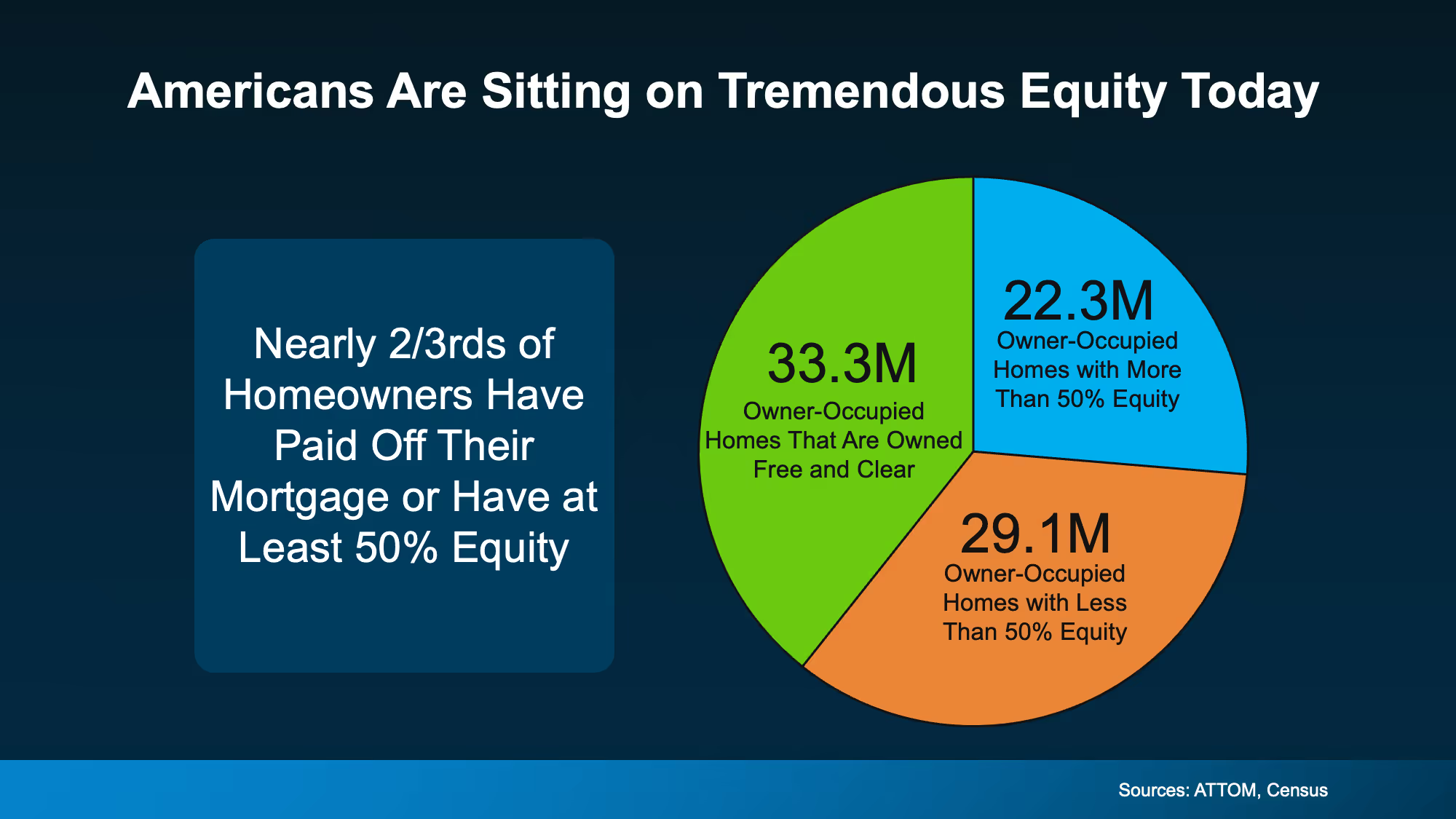
The same is true for owners with more than 50% equity. They may still have a mortgage, but they also have a substantial ownership stake. That gives them more stability and more choices.
This is one reason broad mortgage debt headlines can be misleading. The total debt number may be high, but it does not mean most homeowners are in trouble. Many are sitting on significant equity or have paid off their homes completely.
For buyers, this context is useful because it helps explain why a massive wave of distressed listings is not likely in the same way we saw during the last crash. Some buyers are waiting for a major collapse in prices, but the equity picture makes that less likely across the broader market.
That does not mean buyers should overpay. It does not mean every listing is priced correctly. In fact, buyers in areas like Tampa, Riverview, Brandon, St. Petersburg, Largo, Clearwater, and Palm Harbor should still compare homes carefully and negotiate based on current competition.
But expecting widespread distress simply because mortgage debt is high can lead buyers to misunderstand the market. The better strategy is to look at local inventory, price reductions, days on market, insurance costs, condition, and seller motivation.
A shifting market can create opportunities, but those opportunities usually come from careful analysis, not waiting for a crash that may not match the actual data.
For sellers, equity can be a major advantage. If you have owned your home for several years, you may have more room to make a move than you realize.
That equity may help you price strategically, negotiate from a stronger position, or make your next purchase with a larger down payment. It can also give you options if you are selling because of financial stress, a job change, family needs, retirement, or a lifestyle shift.
The key is knowing your real numbers. Your home’s value should be based on current local market activity, not just online estimates or old sales from the peak market. Your net proceeds should also factor in mortgage payoff, closing costs, possible repairs, commissions, and any concessions you may offer.
Once you know those numbers, you can make a clearer decision. For many Tampa Bay homeowners, the equity built over the past several years may still be one of their strongest financial assets.
The 2008 crash was driven by a very different set of conditions. Many buyers had risky loans, underwriting standards were weaker, and a large number of homeowners were underwater. When prices dropped, millions of owners had no real exit.
Today’s market has challenges, but they are not the same challenges. Affordability is strained, buyers are cautious, and some markets have more inventory than they did a few years ago. But high equity, stronger lending standards, and a large number of mortgage-free homeowners create a much firmer foundation.
That does not mean prices cannot adjust. Some neighborhoods may see softer values, and some sellers will need to reduce prices if they start too high. But a normalizing market is not the same thing as a market built on widespread financial distress.
Record mortgage debt makes for a dramatic headline, but it does not tell the full story. Homeowner equity is also extremely high, and many owners either have substantial equity or own their homes free and clear.
That equity gives homeowners more stability, more flexibility, and more options than many people had during the last housing crash. It is one of the biggest reasons today’s market does not look like 2008.
For Tampa Bay buyers and sellers, the right takeaway is not panic. The right takeaway is context. Mortgage debt is high because home values are high, but the equity behind those homes helps explain why the market remains stronger than the headline alone suggests.