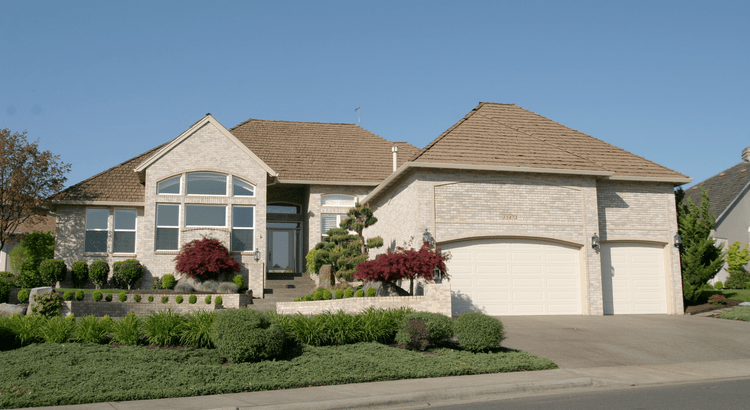
Home equity can make a move possible by turning the value built in your current home into usable sale proceeds. For a Tampa Bay homeowner, that money may increase the down payment, reduce the new loan amount, or cover transition costs. The important number is the amount likely to remain after mortgages, other liens, selling expenses, and negotiated credits are paid.
Equity is a home's current market value minus the debt secured by it. A Riverview home valued at $475,000 with a $225,000 mortgage payoff has $250,000 in gross equity, but not all of it will be available for the next purchase.
A realistic estimate should account for:
Online estimates may miss condition, renovations, lot differences, and features that matter within a specific community. Two nearby homes in Riverview or FishHawk Ranch can have different values because of their floor plans, pools, major-system ages, updates, or views. A home value review for your property creates a stronger starting point than an assumed number.
The state map provides useful scale by reporting average homeowner equity of about $288,000 in Florida and $310,500 nationally. Those broad figures combine owners with different purchase dates, mortgage balances, property types, and local markets. It should not replace a local market analysis of your specific home.

Usable equity should be based on a likely sale range, current loan payoffs, and estimated selling expenses. It remains an estimate until the sale closes.
A move-up buyer may use sale proceeds to reduce the new mortgage, while someone downsizing may make a large down payment or purchase without financing. Another homeowner may preserve more cash instead of putting every available dollar into the property.
Before choosing a down payment, compare the loan amount, estimated payment, mortgage insurance when applicable, cash needed at closing, and money remaining afterward. Our explanation of how repeat buyers can evaluate a 20% down payment shows why more money down can help without automatically being the right choice.
If the down payment depends on sale proceeds, both transaction timelines must work together.
Tampa Bay homeowners generally have 3 broad timing options:
The right sequence depends on financing, reserves, and activity within the relevant price ranges. JB Realty's Tampa Bay home selling services can connect the current home's pricing and preparation with the offer and closing strategy for the next one.
Down payment is only one part of affordability. Compare the next property's estimated taxes, homeowners insurance, possible flood insurance, HOA or condominium fees, and any community development district assessment. Do not assume the seller's tax bill or insurance premium will become yours.
Florida homeowners should also review homestead portability. The homestead exemption itself does not transfer, but an eligible owner may be able to transfer all or part of the Save Our Homes assessment difference to a new Florida homestead. The Florida Department of Revenue's homestead and portability guidance explains the benefit, while the appropriate county property appraiser should confirm eligibility, forms, and deadlines for a specific move.
These costs matter when comparing homes in Brandon or elsewhere in Tampa Bay. A lower purchase price does not always create a lower total monthly cost.
Selling is not the only way to access equity. A home equity loan or HELOC may fund renovations or support a buy-before-sell plan, but it creates debt secured by the home. The Consumer Financial Protection Bureau's home equity loan guidance notes possible upfront costs and foreclosure risk if the loan is not repaid.
New borrowing can affect qualification for the next mortgage and may need to be repaid when the current home sells. Ask a lender to compare the payment, rate, fees, qualification impact, and payoff requirements.
Before deciding that a move is affordable or impossible, gather these figures:
These numbers reveal whether the move depends on a particular sale price, financing structure, closing sequence, or reserve amount.
Subtract all debts secured by the property from its estimated current market value. Then subtract expected seller expenses, negotiated credits, and other transaction costs to estimate net proceeds. A current value range and written lender payoffs will make the estimate more reliable.
It is useful as an early reference, but it should not be the only number used. Automated estimates may not fully account for condition, renovations, lot features, or current competition within a Tampa Bay neighborhood.
Possibly, through available cash, a bridge loan, a HELOC, or another financing structure. Each option has costs, qualification requirements, and risks, so a lender should review it before you make an offer that depends on those funds.
No. The exemption itself does not transfer, but eligible homeowners may be able to transfer some or all of their Save Our Homes assessment difference through portability. Verify the requirements and filing deadline with the property appraiser for the county where the new home is located.
Paying cash can eliminate a mortgage payment and make financing unnecessary, but it also places more money into the property. Compare the benefit with closing costs, repairs, reserves, and other financial goals before committing all available proceeds.
Ask JB Realty to prepare a home value review for your property and map the likely net proceeds against your next-home price range before deciding when to sell or how much equity to use.