Yes. Selling a starter home can help fund a larger home when the owner has enough usable equity and a practical plan for coordinating both transactions. In Tampa Bay, the opportunity often comes from demand for smaller homes, more choices at higher price points, and equity accumulated through mortgage payments. The decision should be based on estimated net proceeds, the full cost of the next property, and a realistic timeline—not simply the home’s estimated value.
A first home may serve its purpose long before the mortgage is fully paid off. It can provide an affordable entry into homeownership while building equity that may later support a larger down payment, reduce the next loan amount, or cover part of the moving expenses.
The better question is whether the current home still fits your needs and whether selling it creates enough financial flexibility to improve your next move. A homeowner considering another bedroom, a home office, a larger yard, or a different location should compare those benefits with the higher payment and ownership costs that may follow.
Smaller homes serve a wide group of buyers. First-time buyers, downsizing owners, investors, and households focused on affordability may all compete for similar properties.
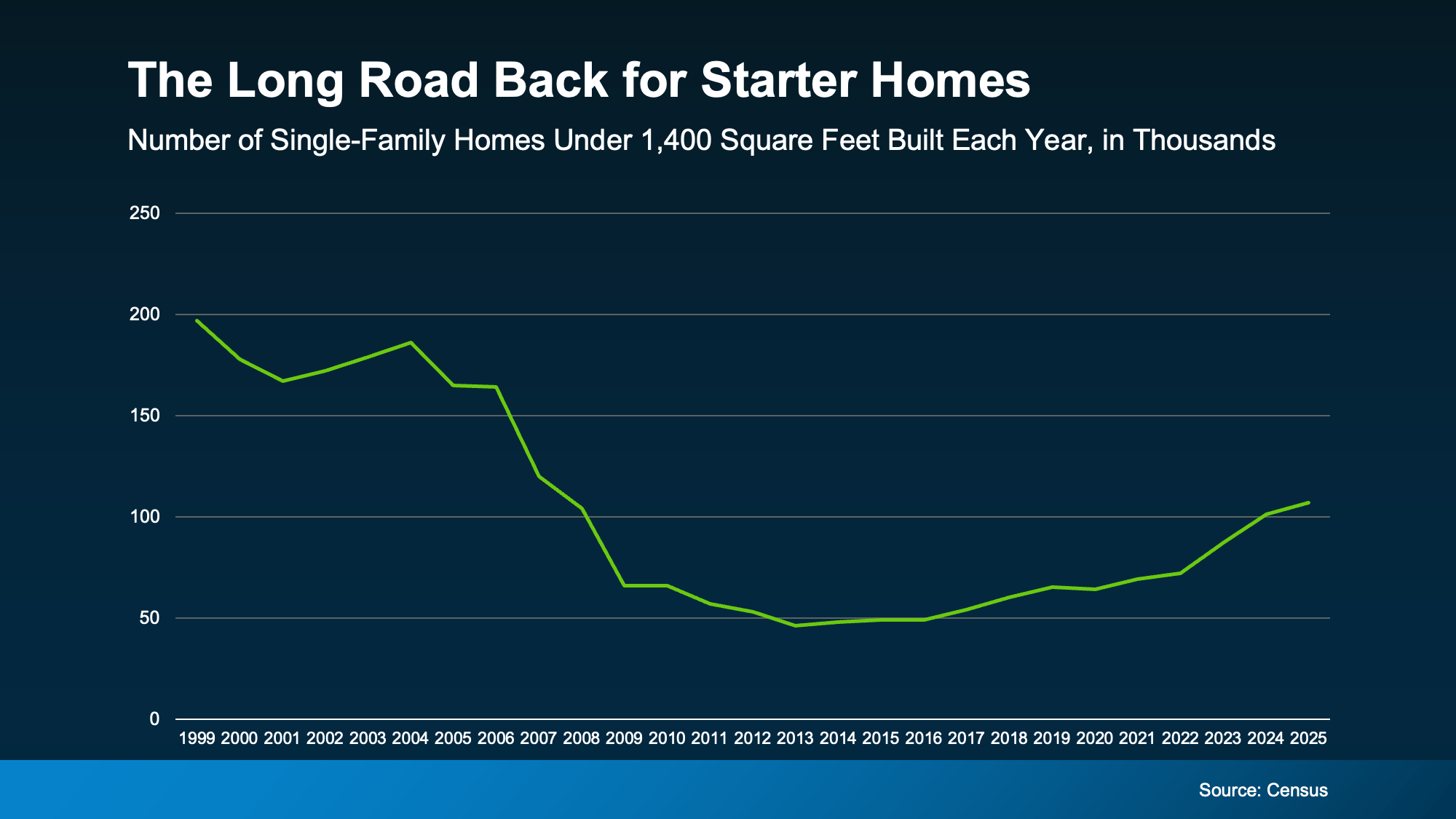
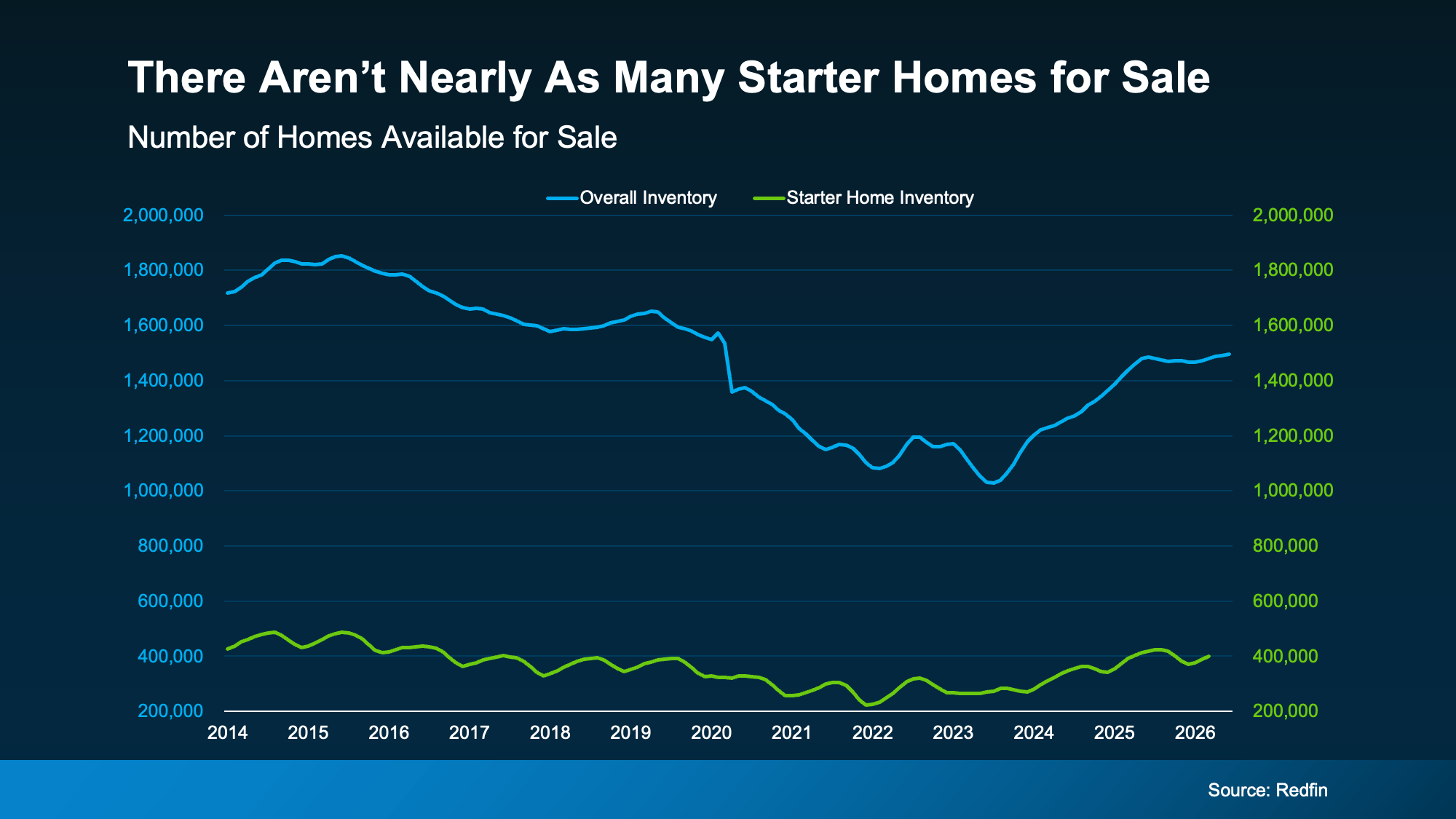
Construction of smaller single-family homes has increased from the lows of the previous decade, but it remains below the levels built during several earlier years. The result is that smaller, lower-priced homes can still face tighter supply than the broader market, even when buyers are seeing more listings overall.
That difference can benefit a move-up seller. A well-priced starter home in Riverview, Brandon, or FishHawk may appeal to a larger buyer pool, while the seller may find more options when shopping at a higher price point. Condition, location, monthly costs, and competition still determine the leverage of any individual property.
Florida entered summer 2026 with 4.5 months of statewide single-family inventory and 8.1 months of condo and townhouse inventory. Those figures show why property type matters: the market can offer more choices overall without creating the same conditions in every segment. Florida Realtors’ June 2026 market update provides the broader statewide context.
The inventory pattern can create an opening for someone selling a smaller home and purchasing a larger one. The property being sold may compete within a tighter segment, while the replacement-home search may include more listings and greater room to compare condition, price, incentives, and terms.
Home equity is generally the estimated market value minus the mortgage balance and any other liens. Usable net proceeds are different because the sale also includes expenses such as brokerage compensation, title and closing charges, repairs, credits, moving costs, and the mortgage payoff.
Consider a simplified example. If a home is expected to sell for $350,000, the mortgage payoff is $190,000, and estimated selling expenses total $25,000, the projected net proceeds would be approximately $135,000. That is the amount that may be available for the next purchase—not the full $160,000 of equity before selling costs.
A property-specific estimate is more useful than an online value alone. Homeowners can request a home-value estimate and review likely expenses to calculate a realistic net-proceeds range.
Most move-up sellers consider 3 basic approaches:
Other options, including a home-equity line or bridge loan, may be available. These can add interest, fees, and repayment risk, so the details should be reviewed with a qualified lender before making an offer.
A coordinated plan should begin before the home is listed. Our Tampa Bay home-selling services can help establish the likely selling range and timing, while our home-buying services can help evaluate replacement homes and offer options.
A higher purchase price is only one part of the next home’s cost. Tampa Bay buyers should compare property taxes, homeowners insurance, possible flood insurance, HOA or CDD fees, roof age, maintenance needs, utilities, and commuting expenses. Two homes with similar prices can create very different monthly obligations.
Florida homeowners should also consider how property taxes may change after a purchase. Eligible owners may be able to transfer part of their Save Our Homes assessment difference to a new Florida homestead through portability, but the homestead exemption itself does not simply transfer. The Florida Department of Revenue explains the filing process and the March 1 deadline that generally applies in the first year after moving. Review the official Save Our Homes Assessment Limitation and Portability Transfer brochure and confirm property-specific details with the county property appraiser.
Insurance and flood considerations can also affect affordability and loan approval. Before committing to a replacement property, obtain insurance estimates and investigate flood-zone information, roof condition, prior claims when available, and association requirements.
Estimate the current home’s market value, subtract all mortgage and lien balances, and then subtract expected selling expenses. The remaining projected net proceeds provide a better estimate of what may be available for a down payment and moving costs.
Selling first can reduce uncertainty but may require temporary housing. Buying first can be more convenient but may create qualification and carrying-cost concerns. The appropriate sequence depends on available cash, loan approval, local competition, and tolerance for risk.
A home-sale contingency may be possible, but its strength depends on the seller’s alternatives and competition for the property. An offer is generally more attractive when the existing home is already listed, under contract, or supported by a clear financing plan.
No. The new property will have its own assessed value and tax calculation. Eligible homeowners may be able to transfer part of their Save Our Homes assessment difference, but they should confirm eligibility and estimated taxes with the county property appraiser.
Review the current home’s likely sale price and net proceeds, the payment and ownership costs of the replacement home, available inventory, and the timeline for both transactions. A written comparison can show whether the move improves your housing situation without creating an uncomfortable financial burden.
Ask JB Realty to review your likely selling range, estimated net proceeds, and current move-up options so you can compare the complete plan before listing your home or making an offer.