
Yes, a Tampa Bay home can still sell in the fall. The market does not close after summer, but the listing must fit the buyers who are active now. For sellers in Riverview, Brandon, and Lithia, the useful question is whether the home is priced, prepared, and scheduled for current competition, Florida insurance realities, and the seller’s next move.
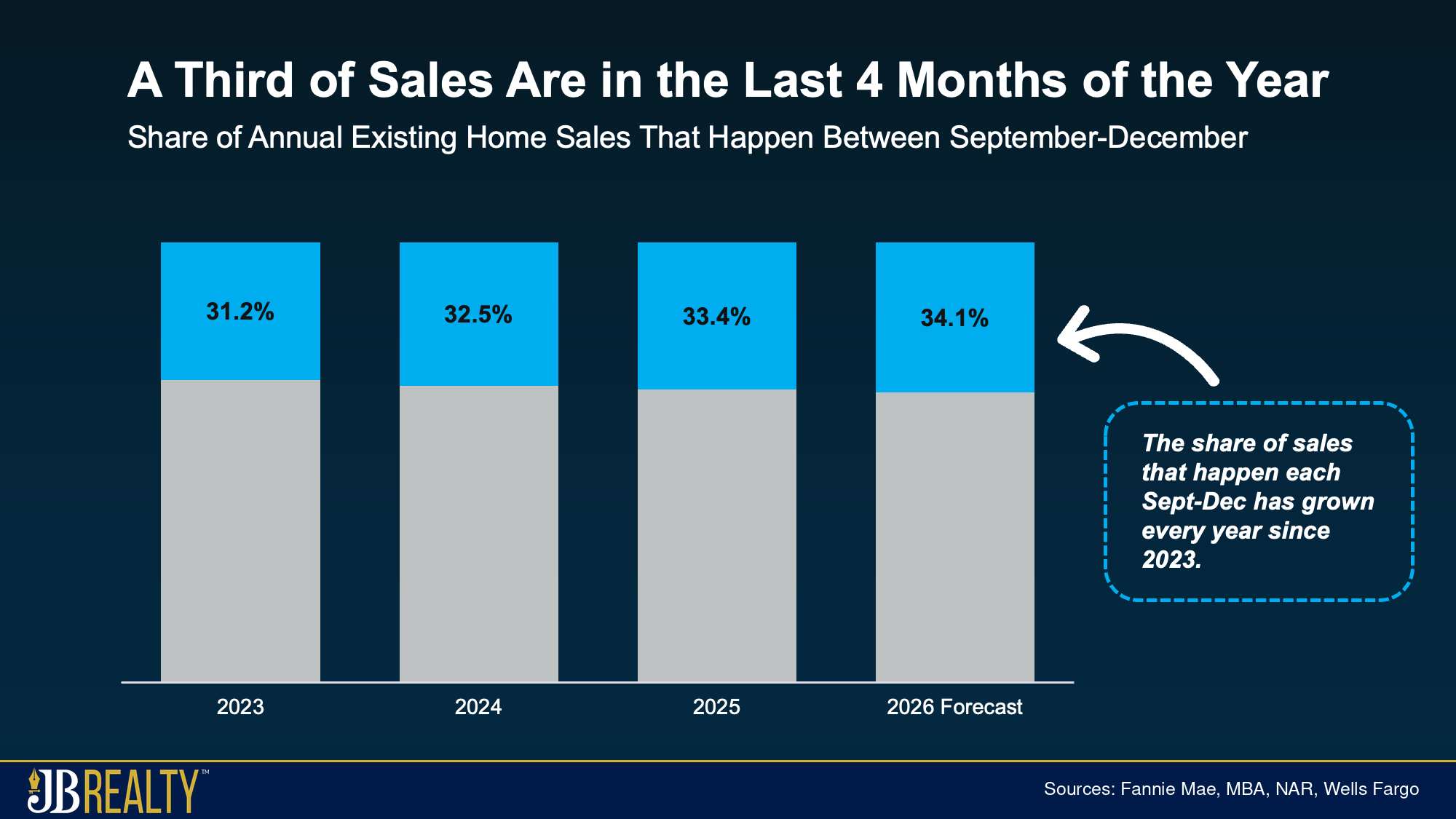
Forecasts compiled from Fannie Mae, the Mortgage Bankers Association, the National Association of Realtors, and Wells Fargo estimate that 34.1% of 2026 existing-home sales will occur from September through December. That is up from 31.2% in 2023. The forecast does not promise an outcome for one property, but it confirms that fall remains a meaningful part of the annual sales cycle.
The July 2026 Florida housing report described rising sales and tightening inventory statewide. That direction is useful context, but a Riverview single-family home may face very different demand than a property in nearby FishHawk Ranch.
Fall buyers may be moving for a job, a lease deadline, a household change, or a goal of closing before year-end. The home needs to make sense to buyers comparing its location, condition, complete ownership cost, and price.
A spring comparable sale can help establish value, but it does not show every choice available to buyers in September or October. A fall pricing review should include recent closed sales, pending properties, active competition, price changes, and current market time.
The closest alternatives matter more than a broad countywide average. A home in FishHawk Ranch may compete with similar homes in the same community, plus newer construction or resale options elsewhere in Lithia or nearby Riverview. Buyers may also compare taxes, HOA or CDD assessments, insurance, roof age, and expected repairs before deciding which listing offers the stronger overall value.
Our guide to how price range affects a Tampa Bay home sale explains why demand can differ by location, property type, condition, and price bracket. The goal is not to list low because the calendar says fall. It is to choose a price that earns attention from the buyers who are searching now.
Fall leaves less room for avoidable delays if the seller wants to close before year-end. Preparation should go beyond cleaning and photography. Before the listing goes live, gather information buyers, inspectors, lenders, title companies, and insurers may request.
Useful items can include:
Not every document applies to every property. The purpose is to identify missing information early and reduce surprises after a buyer is under contract. Sellers should discuss disclosure obligations with their agent and consult a Florida real estate attorney when they need advice about a specific legal duty.
Florida fall overlaps hurricane season, which the Florida Division of Emergency Management identifies as June 1 through November 30. A storm can interrupt photography, showings, inspections, appraisals, repairs, insurance activity, utilities, and closing services.
That does not make fall a poor time to sell. It means the schedule should include sensible margins. Request title work and association information promptly, keep insurance and repair documents organized, and avoid leaving agreed work until the final days before closing. If severe weather affects the property or transaction, the parties should follow the contract and obtain legal guidance when its terms need interpretation.
A practical fall launch plan has four checkpoints:
Waiting until spring is not automatically safer or more profitable. Mortgage rates, competing inventory, insurance costs, and carrying expenses can all change. A seller who is ready now should compare a likely fall outcome with the cost and uncertainty of waiting.
Listing this fall may make sense when the home can be prepared properly, the pricing expectation is supported by current evidence, and the timing helps accomplish a planned move. Waiting may be more practical when significant repairs are unfinished, important records are missing, or the next housing step is not workable yet.
A property-specific home value estimate can provide a starting point, but the decision should also account for selling expenses, mortgage payoff, repairs, carrying costs, and the next home. Net proceeds and timing matter more than a headline about the “best” month to sell.
No. Homes continue to sell from September through December, and some buyers have firm year-end timelines. The result for a specific property depends more on price, condition, presentation, competition, and transaction readiness than on the season alone.
They can, but there is no rule that every fall listing takes longer. Market time varies by community, property type, price range, condition, and available alternatives. Compare the home with recent local listings instead of relying on a national seasonal average.
Not solely because it is fall. Start with recent comparable sales, pending activity, active competition, and the complete costs buyers will compare. If early feedback and showing activity are weak, use that evidence to decide whether price, condition, or presentation needs to change.
Yes. Severe weather can affect access, inspections, insurance, repairs, financing, utilities, and closing services. Build some flexibility into the schedule and review the specific contract with the appropriate real estate and legal professionals if a storm affects the transaction.
That depends on the home’s readiness, current competition, your likely net proceeds, carrying costs, and the timing of your next move. Spring may bring different demand, but it can also bring different competition and market conditions, so waiting does not guarantee a better result.
Ask JB Realty to compare your home with current competition and build a property-specific fall pricing, preparation, and closing plan through our Tampa Bay home-selling services.