New construction has felt out of reach for many buyers over the past few years. Between higher prices, higher mortgage rates, and rising monthly costs, a brand-new home may have seemed like something that simply did not fit the budget.
But the numbers are starting to look more buyer-friendly. New-home prices have come down from their peak, and many builders are still using incentives to attract buyers. For buyers in the greater Tampa Bay area, that could open the door to opportunities that were harder to find during the busiest years of the market.
This does not mean every new construction home is automatically a great deal. It means buyers should take a closer look, compare the full package, and understand how builder incentives can affect the real cost of buying.
After climbing quickly during the pandemic housing boom, newly built home prices have softened. The median sale price of a newly built home is now near its lowest level in several years, giving buyers a little more breathing room than they had when builder demand was running hotter.
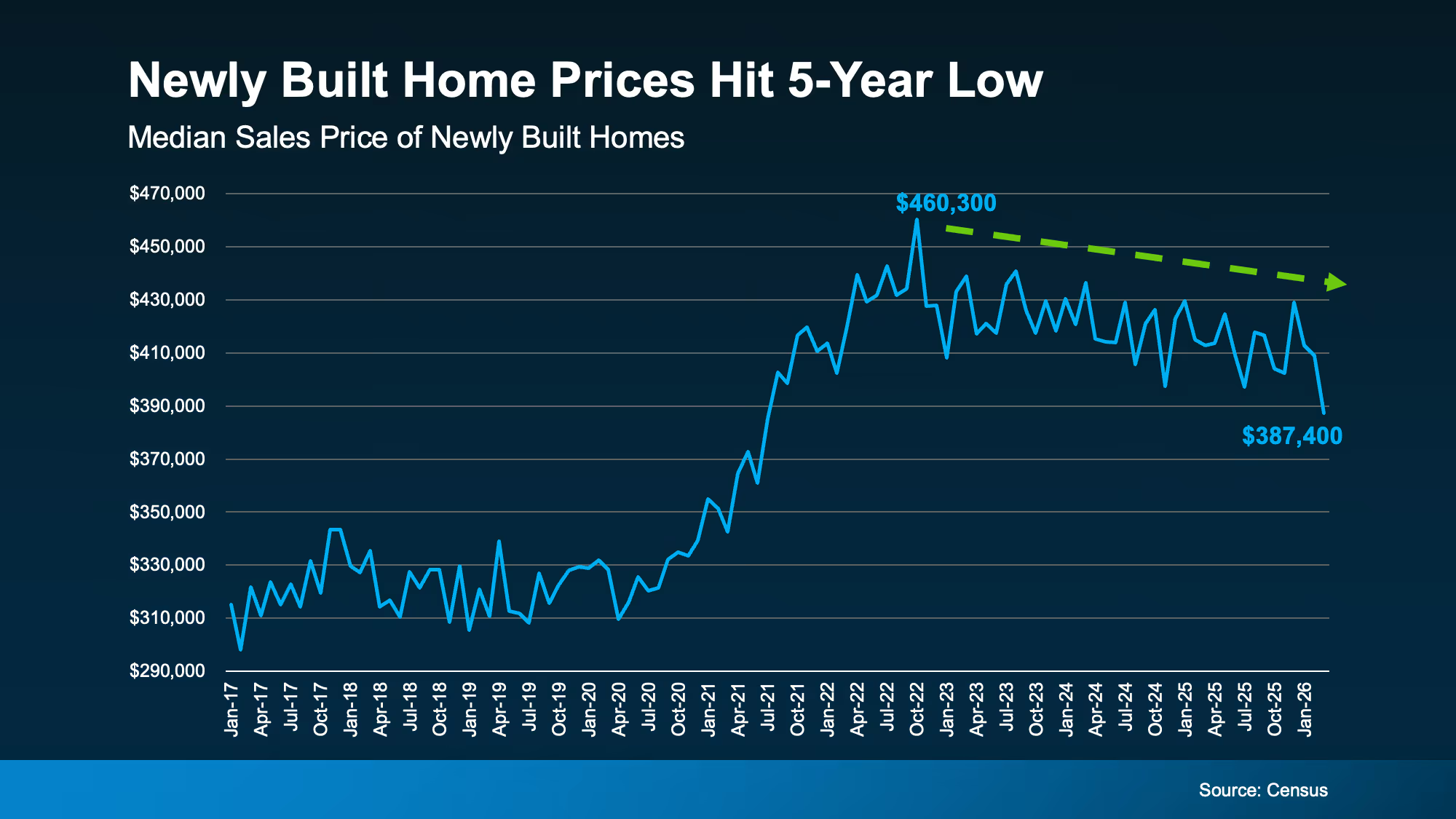
That matters because affordability is still one of the biggest challenges for buyers. Even a lower purchase price does not solve everything, especially when insurance, property taxes, HOA fees, and mortgage rates are part of the monthly payment. But lower new-home pricing can make some communities worth a second look.
In Tampa Bay, buyers often expand their search beyond the most expensive areas to find better new construction options. Depending on budget and commute preferences, that may mean comparing communities in South Hillsborough, eastern Hillsborough, Pasco, Manatee, Polk, or nearby growth corridors where builders may have more available inventory.
Builders are different from individual homeowners. A homeowner may decide to wait, rent the home, or take the property off the market if they do not get the price they want. Builders usually have a stronger need to move inventory, especially if they have completed homes, upcoming phases, or construction timelines to manage.
That is why builder flexibility can show up in several different ways. Some builders reduce the list price. Others keep the price steady but offer closing cost assistance, rate buydowns, design upgrades, appliance packages, or other incentives to help make the numbers work.
For buyers, the key is looking beyond the advertised price. A home with a slightly higher list price but a strong rate buydown or closing cost credit may be more affordable monthly than a lower-priced home with no incentive. The best deal is not always the one with the lowest sticker price.
Many builders are still offering incentives because affordability remains a major issue for buyers. Those incentives can be valuable, but they need to be reviewed carefully.
Common incentives include closing cost credits, mortgage rate buydowns, design center credits, appliance packages, lot premium reductions, and price adjustments on inventory homes. Some incentives may require using the builder’s preferred lender or title company, so buyers should compare the full terms before assuming it is automatically the best option.
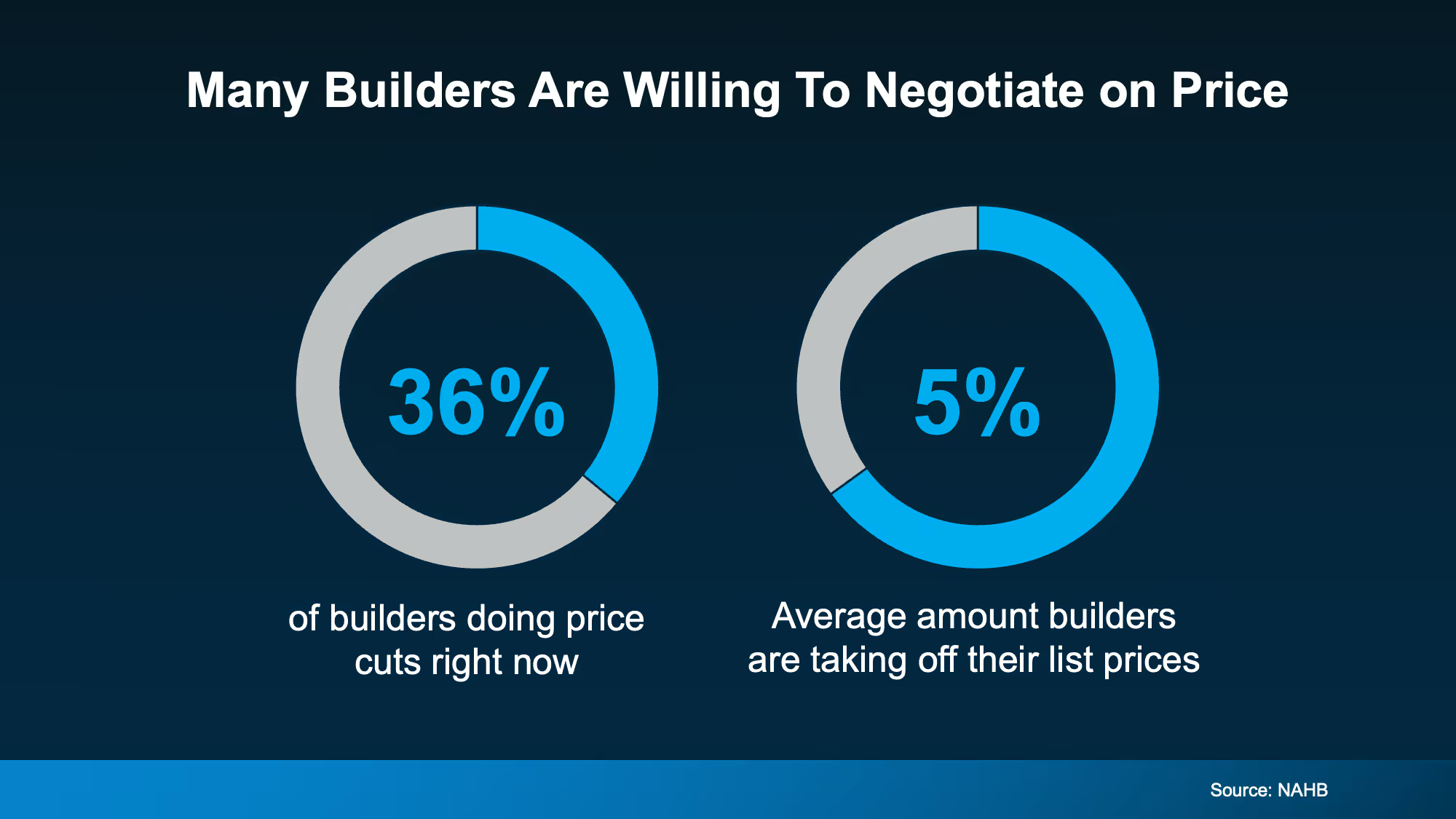
A rate buydown can be especially attractive because it may lower the monthly payment, at least for a period of time. But buyers should understand whether the buydown is temporary or permanent, what the payment will be later, and whether the upfront incentive could be used in a better way.
The right way to evaluate a builder incentive is to compare the total package. Purchase price, interest rate, closing costs, monthly payment, taxes, insurance, HOA fees, CDD fees, warranty coverage, upgrades, and resale potential all matter.
Lower new-home prices can sound concerning if buyers remember the last housing crash. But today’s new construction market is not the same as 2008.
Builders are generally more intentional about inventory now. They are watching buyer demand, interest rates, construction costs, and completed supply more closely. When they offer incentives or adjust prices, it is often a strategy to keep homes moving, not necessarily a sign that the entire market is falling apart.
Prices are also still much higher than they were before the pandemic in many areas. So while buyers may see more room to negotiate, that is different from a broad collapse in values.
For Tampa Bay buyers, the practical takeaway is simple. Do not panic because builders are offering deals, but do not ignore the opportunity either. A softer new construction market can create room to negotiate if you know what to ask for.
New construction can be a great fit, but buyers still need to do their homework. A brand-new home does not automatically mean the total cost is lower or the long-term value is stronger.
Start with the monthly payment. Make sure the estimate includes principal, interest, taxes, homeowners insurance, flood insurance if applicable, HOA fees, CDD fees, and any special assessments. In Florida, taxes and insurance can change the affordability picture quickly.
Next, review the location and resale factors. A home may look like a great deal, but buyers should think about commute, schools, nearby development, future construction phases, lot position, road noise, rental restrictions, community amenities, and how many similar homes may be available when it is time to sell.
Also pay attention to what is included. Model homes are often loaded with upgrades. The base price may not include the finishes, appliances, flooring, countertops, lighting, landscaping, or structural options that buyers assume are standard.
Some buyers think they do not need representation when buying from a builder because the home is new. That can be a costly assumption.
The builder’s sales representative works for the builder. A buyer should still have someone helping them compare incentives, understand contract terms, review timelines, ask about warranties, evaluate lot premiums, and think through resale concerns.
Builder contracts are also different from standard resale contracts. They may include different deposit terms, construction deadlines, financing requirements, change order rules, inspection rights, and cancellation provisions. Buyers should understand those details before signing.
A well-negotiated new construction purchase is not just about getting a lower price. It is about making sure the full deal works for the buyer’s budget, timeline, and long-term goals.
Newly built home prices have softened, and many builders are still offering incentives to help attract buyers. That can create real opportunities for buyers who thought new construction was out of reach.
But the best deal is not always the lowest advertised price. Buyers need to compare the full cost, including the mortgage payment, taxes, insurance, HOA fees, CDD fees, closing costs, incentives, upgrades, location, and resale value.
For Tampa Bay buyers, new construction may be worth another look. The smartest move is to compare builder options carefully, understand the incentive structure, and negotiate based on the full financial picture rather than the price alone.