
Fewer large institutional buyers can create a better opening for individual homebuyers, especially in price ranges where investors previously competed heavily. That does not mean competition has disappeared or every investor-owned home will be discounted. The practical advantage is more choice, fewer automatic cash-buyer assumptions, and a better chance to structure an offer around the specific property.
For buyers around Tampa Bay, the opportunity is strongest when preparation meets the right listing. Financing, insurance, property condition, seller motivation, and neighborhood-level competition still matter more than a national headline.
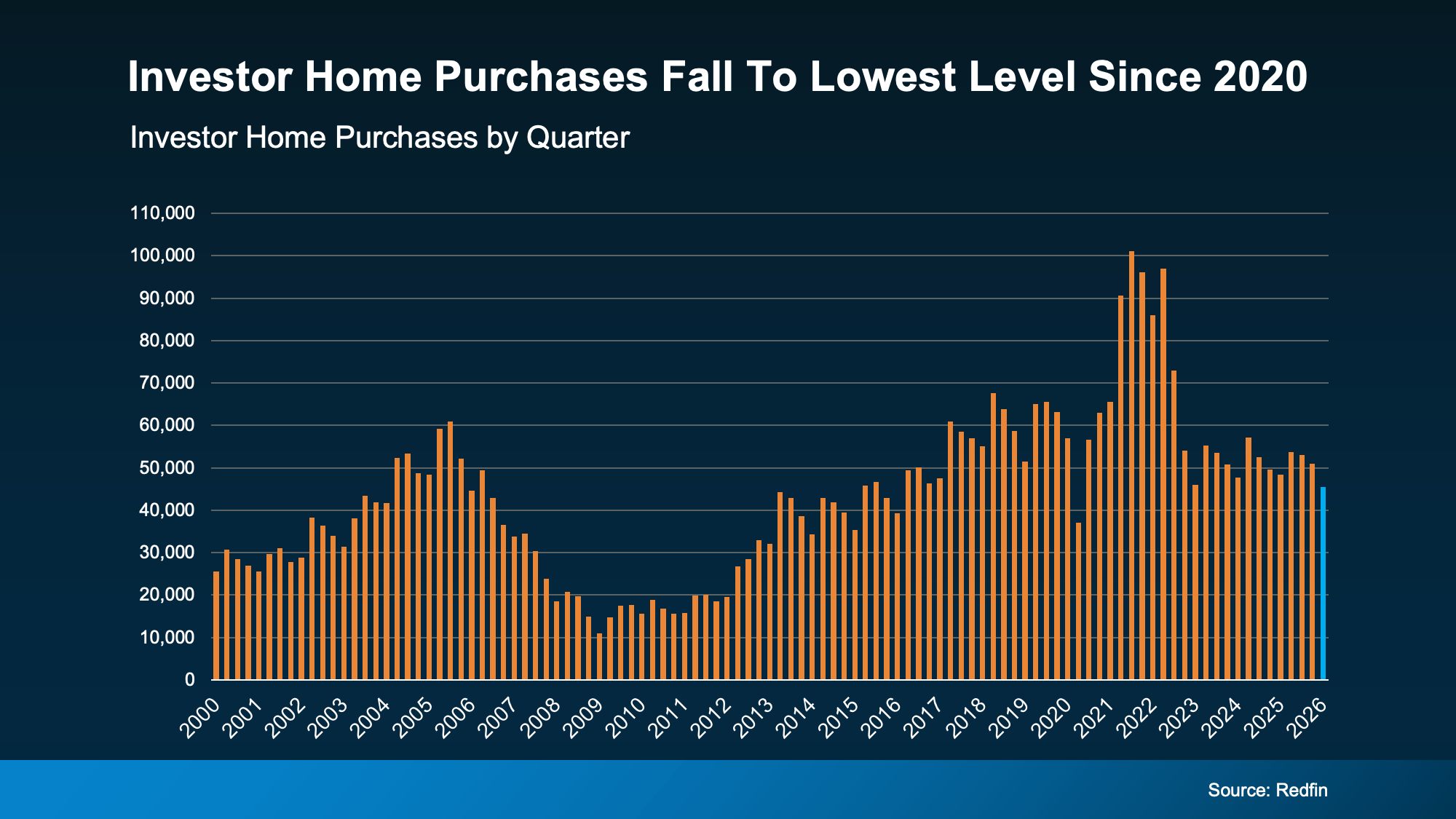
Redfin reported that investors purchased fewer U.S. homes during the 1st quarter of 2026 than in any quarter since 2020. Investors still accounted for 19% of completed purchases, only slightly below the prior year, because overall home sales also remained slow.
There is an important distinction behind that number. Redfin’s investor category includes many types of buyers, from small landlords and house flippers to large companies. A decline in total investor purchases does not mean every cash buyer or local investor has left the market.
The broader trend is still useful. When fewer investors are making offers, an owner-occupant may face less pressure to waive protections, bid immediately, or assume that financing cannot compete.
The 21st Century ROAD to Housing Act became law on July 11, 2026. The law’s definition covers certain for-profit entities with investment control of at least 350 single-family homes and generally prohibits additional purchases once the applicable provisions take effect.
The prohibition takes effect 180 days after enactment, includes several exceptions, and does not require institutions to sell homes acquired before the law. This is narrower than a ban on all investors, LLCs, landlords, or cash purchases. Buyers should view it as one factor reducing demand from the largest operators, not as the end of investor competition.
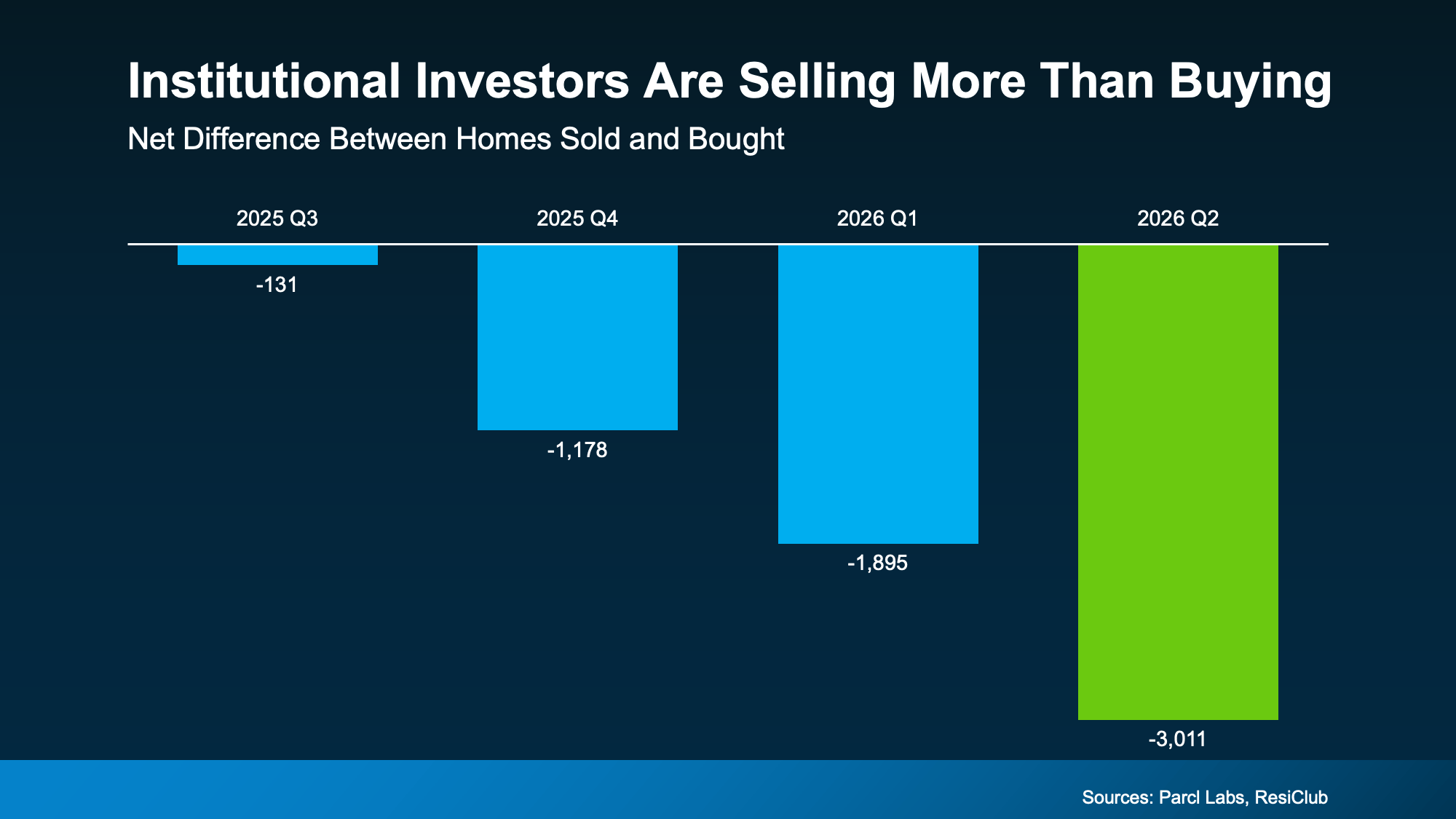
Large operators are not only purchasing fewer homes. Recent institutional activity also shows some major owners selling more homes than they are acquiring. When those properties return to the resale market, they can add inventory in price ranges that may appeal to first-time and entry-level buyers.
That does not automatically make the homes bargains. An institutional seller may price according to portfolio goals, use standardized contract terms, limit repair concessions, or sell a property in its current condition. Some homes may be well maintained, while others may show the wear associated with years of rental use.
Opportunity varies by location and property type. A detached home in Riverview or Brandon may compete with newer construction and similar suburban resales. A condo or smaller home in St. Petersburg may face different insurance, association, flood, and maintenance considerations.
Before treating an investor-owned property as a deal, review the complete ownership cost. In Florida, that should include the projected mortgage payment, property taxes, homeowners insurance, possible flood insurance, HOA or condominium fees, utilities, and near-term repairs.
Property condition deserves extra attention. Buyers should investigate the age and condition of the roof, HVAC equipment, electrical system, plumbing, water heater, windows, drainage, and major appliances. For homes that were previously rentals, also look for deferred maintenance, repeated patchwork repairs, unpermitted improvements, and systems that may be near the end of their useful life.
Insurance eligibility can affect affordability and loan approval even when the purchase price looks attractive. A lower-priced home with an older roof or unresolved electrical concerns may cost more each month than a slightly higher-priced property with stronger insurability and fewer immediate repairs.
A financed buyer can still compete with cash by submitting complete documentation, choosing realistic timelines, limiting avoidable uncertainty, and demonstrating the ability to close. The strongest offer is not always the highest price, but it must make sense for both the buyer and the seller.
Not entirely. The new federal restriction applies to covered large institutional investors and includes exceptions. It does not prohibit every company, landlord, LLC, or individual investor from purchasing a home.
Not necessarily. Reduced investor demand can ease competition and add inventory, but the price of a specific home still depends on location, condition, comparable sales, financing conditions, and seller motivation.
Yes. Cash can reduce financing uncertainty, but sellers also consider price, deposit, inspection terms, appraisal risk, closing timeline, and the buyer’s ability to perform. A strong pre-approval and a well-structured offer can make financed terms more competitive.
Pay close attention to the roof, HVAC, plumbing, electrical system, water intrusion, drainage, permits, and insurance eligibility. A thorough inspection and insurance review can help identify costs that are not obvious during a showing.
The answer depends on the price range and property type. Areas with more competing listings, new construction, price reductions, or longer market times may offer more negotiating room, while well-priced homes in tighter pockets can still move quickly. Our article on buyer choice and negotiating leverage explains how to evaluate those differences.
Ask JB Realty to compare investor-owned listings, recent sales, insurance considerations, and current competition for the Tampa Bay homes that fit your budget.