
A Riverview home sale is shaped by four forces: cash buyers, buyers using mortgages, owners holding low-rate loans, and builders selling new homes. Price against nearby alternatives, evaluate the full terms of each offer, and calculate the cost of your own next move. A national market label cannot tell you which force matters most for your home.
Before choosing a list price, examine recent closed sales alongside active and pending listings with similar size, condition, and location. An active listing is a competing choice; a closed sale shows what a buyer paid. Pending homes offer clues about demand, although their final price and concessions may not yet be public.
In Riverview, a buyer considering an existing home may also look at a new community nearby. Compare actual available homes, not only broad city averages, and note differences in lot size, improvements, HOA or CDD charges, and expected closing dates. Our home-value review can help organize comparable sales and current competition before you commit to a price.
The Census Bureau’s July 2026 new-home sales report estimated 9.6 months of new homes for sale nationally at that month’s sales pace. That is a national supply measure, not a count of unsold homes in Riverview. It gives sellers a reason to check local builder inventory and incentives rather than assume resale homes compete only with other resales.
If a comparable new home offers a closing-cost credit or a lower advertised mortgage rate, ask what the buyer would actually pay for that specific house. Lot premiums, upgrades, taxes on the completed home, insurance, HOA or CDD charges, and the duration of a rate incentive all affect the comparison. Our explanation of new-construction costs and incentives walks through those details.
Your resale may offer advantages a new home lacks, such as completed landscaping, included appliances, or an earlier closing. Identify features your house has and price them against available alternatives. Buyers weigh the whole package, so claiming all new homes cost more is unlikely to help.
Cash is common enough to plan for, though its share varies by location and price. Realtor.com research on early 2026 sales found that 41.3% of Florida sales from January through April were all-cash. Its national price-tier data show particularly high cash shares at the lowest and highest ends of the market. Neither figure tells you the cash share for a specific Riverview neighborhood. Use the price range and recent sales of homes like yours to judge how relevant cash buyers may be.

A cash offer avoids a mortgage approval contingency, but a buyer may still request inspections, repairs, or an extended closing. Ask for appropriate proof of funds and compare the deposit, inspection period, other contract contingencies, and proposed closing date. If a cash buyer offers less than a financed buyer, compare the likely net proceeds and the obligations in each contract before choosing.
Buyers using mortgages may focus on the cash required at closing as well as the monthly payment. A seller credit toward eligible closing expenses could address that need, subject to the loan program, lender approval, contract terms, and available costs. Ask the buyer’s lender to confirm whether a proposed credit can be used before building it into a counteroffer.
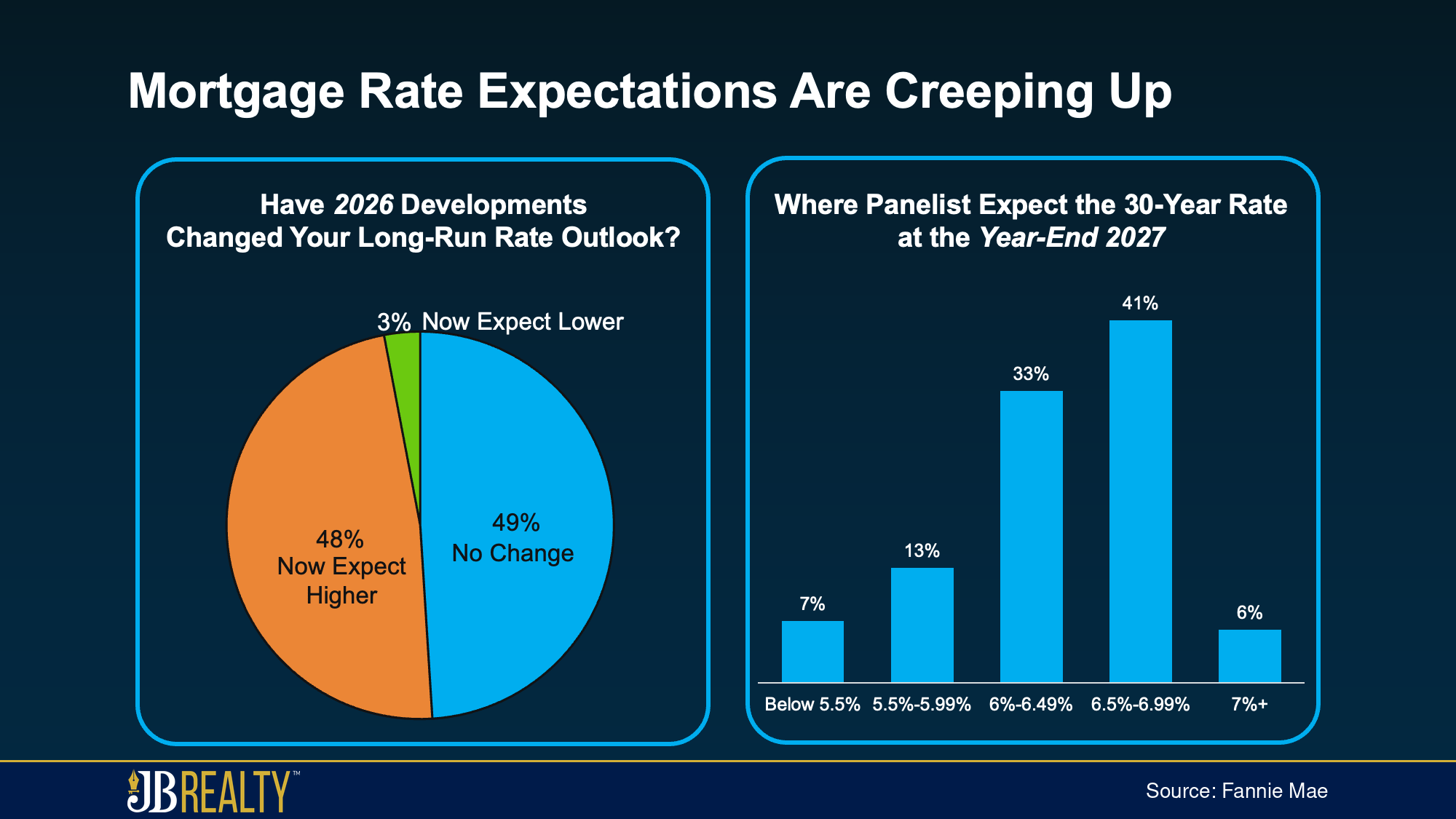
In a 2026 survey conducted by Pulsenomics for Fannie Mae, 48% of responding experts said they had raised their long-run mortgage-rate expectations, while 49% reported no change and 3% lowered them. The chart also shows a spread of estimates for the end of 2027. Those opinions are uncertain forecasts, not a reason to assume a particular rate for your buyer.
Put any concession on the same ledger as the price. A $400,000 offer with a $10,000 seller credit and a $390,000 offer without one each begin at $390,000 before other selling costs. They may still differ in appraisal risk, financing approval, repairs, timing, and the buyer’s ability to use the credit. Compare those terms rather than treating the larger purchase price as the entire result.
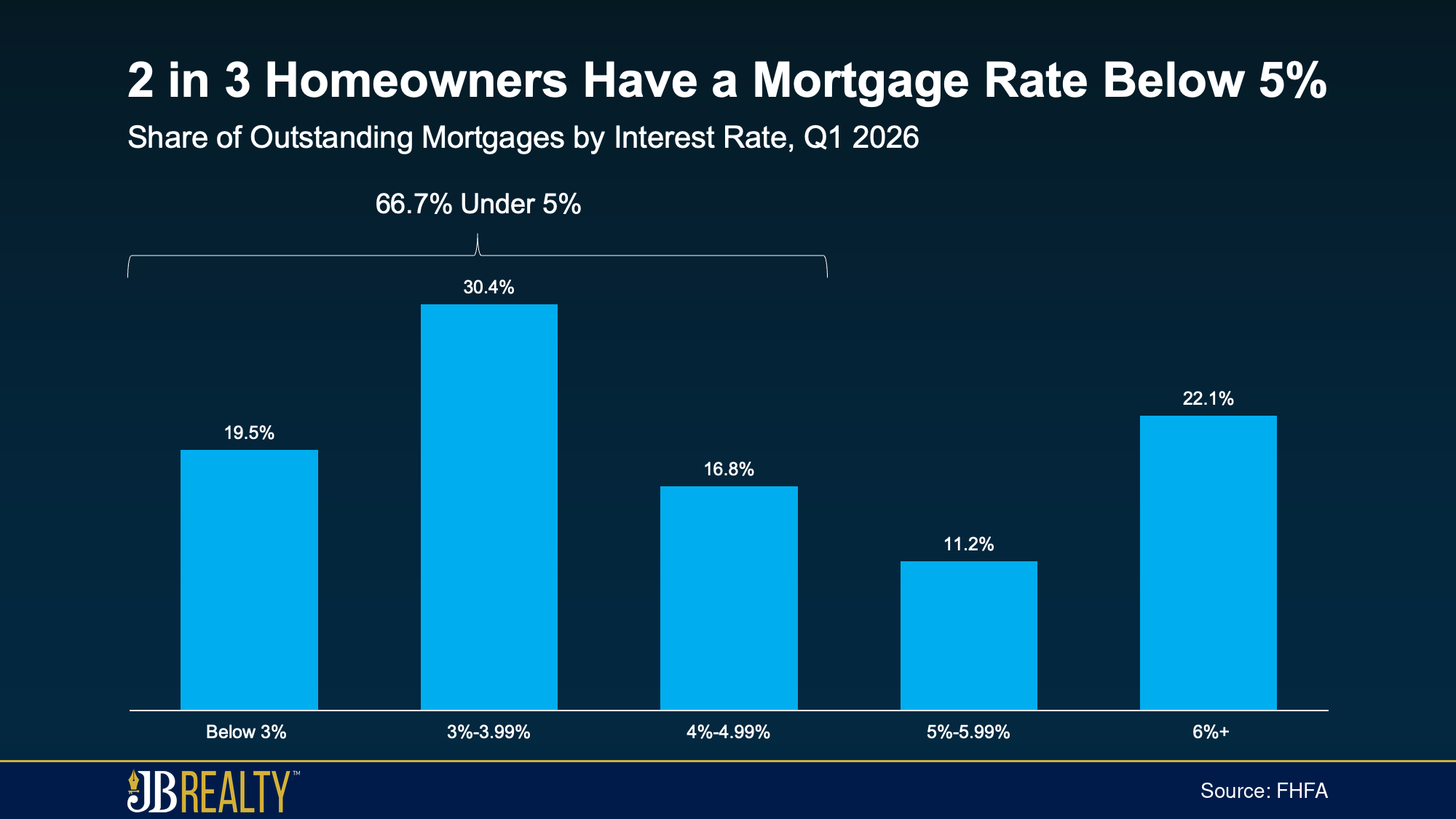
Owners with low-rate mortgages may be reluctant to trade their current payment for a new loan. In Q1 2026, 66.7% of outstanding mortgages in the FHFA data shown here had rates below 5%. That measures mortgages, not the share of all homeowners with a low rate.
If you are selling one home to buy another, estimate proceeds after the loan payoff, selling expenses, and any negotiated credits. Then compare the next home’s full payment, including estimated property taxes, insurance, and HOA or CDD charges, with your current costs. A move from Riverview to Brandon may still serve your needs even if the next rate is higher; the budget should reflect the actual homes and financing available to you.
If your current mortgage is FHA-insured or VA-backed, ask your loan servicer whether an assumption is permitted and what buyer approval would require. A seller with a VA loan should also ask specifically about release of liability and entitlement. Do not advertise a transferable rate before those details are confirmed.
No. Cash removes the need for mortgage approval, but the contract may still give the buyer inspection, title, or other rights to cancel or renegotiate. Review proof of funds, deadlines, deposit terms, and contingencies alongside the price.
It can be useful when a buyer has enough income for the payment but needs help with eligible upfront costs. Compare the proposed credit with a price adjustment, and have the buyer’s lender confirm program limits and how the credit would be applied. The better option depends on the complete offer.
It can affect your competition, but a national inventory figure cannot determine your home’s value. Compare actual available new homes with similar resales, including incentives, completion timing, lot features, and ongoing ownership costs. Recent local sales and buyer activity should guide the list price.
An eligible loan may be assumable, but the buyer must meet the applicable requirements and obtain the necessary approval. The buyer also needs a way to cover the difference between the purchase price and the remaining loan balance. Ask your servicer and a qualified mortgage professional about the process, including any seller liability or VA entitlement concerns.
Calculate estimated net proceeds after credits, likely repairs, and selling costs for each offer. Then review the buyer’s financing position or proof of funds, contract contingencies, appraisal terms, deposit, and closing schedule. The offer that best fits your priorities may not be the one with the highest stated price.
Ask JB Realty to review your home’s likely Riverview competition and compare pricing and offer terms through our Tampa Bay home-selling services.