You do not need one universal credit score to buy a home. Eligibility depends on the loan program, the lender’s requirements, and your overall finances, while the score used for your mortgage may differ from the one in your banking app. For buyers preparing to purchase in Brandon, the useful next step is to have a lender identify your financing options before deciding how much house to shop for.
Two questions deserve separate answers: Can you qualify, and what will that loan cost? A score that meets a program’s eligibility requirements does not automatically produce its most favorable rate or fees. Income, existing debts, down payment, and the property also affect the financing decision.
The distinction matters when someone tells you that you “need a 620.” Under Fannie Mae’s credit score requirements, manually underwritten fixed-rate loans generally have a 620 minimum, subject to applicable requirements and exceptions. Its Desktop Underwriter automated assessment does not impose a minimum score, but it still evaluates creditworthiness and other risk factors.
That does not mean every lender accepts every application without a score threshold. Lenders can apply additional requirements, and an automated review is not a promise of approval. Ask which loan program, underwriting method, and lender requirements apply to you.
A credit report records information about your accounts and payment history. A credit score is a calculation based on that information. Different scoring models, credit bureaus, and reporting dates can produce different numbers for the same person.
For eligible loans sold to Fannie Mae and Freddie Mac, lenders can currently use Classic FICO or VantageScore 4.0 under the applicable rules. FICO 10T has also been approved as part of the modernization effort, but FHFA says it is not yet eligible for loan deliveries to those enterprises. Approval of a model and its availability for a particular mortgage are separate steps.
You cannot assume the score in an app will be used simply because it carries a familiar brand name. Ask the loan officer which model and version the lender uses, what your mortgage credit review shows, and whether any identified issue changes eligibility or pricing.
If limited credit history is your main concern, our explanation of how rent payments can help with mortgage qualification covers the distinction between rent reporting and a lender’s separate assessment of rental history.
In a survey of 400 Veterans and civilians planning to buy within 3 years, conducted March 13 to 24, 2026, many respondents believed mortgage credit requirements were stricter than they necessarily are. Veterans United’s May 2026 survey announcement reported that 57% thought a score of at least 650 was necessary, while 34% believed the minimum was 700 or higher. It also found that 66% associated the best rates with near-perfect credit.
These are respondents’ beliefs, not lending requirements or measurements of local buyers’ approval chances. The practical lesson is to test your assumptions against an actual financing review rather than waiting for an arbitrary score.

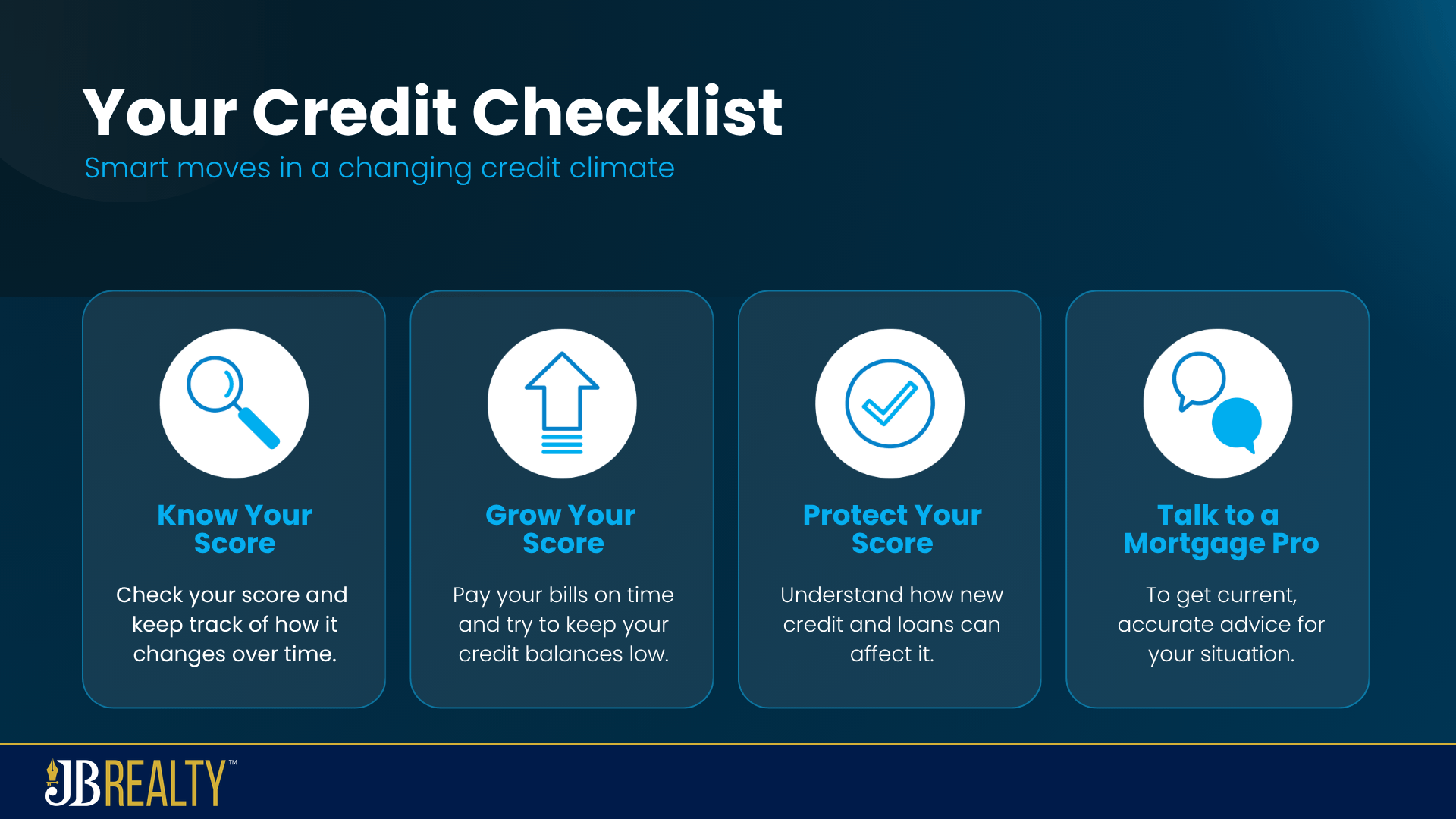
Start with the information behind the score. Review your credit reports for unfamiliar accounts, incorrect late payments, duplicate debts, and other errors. When you find an error, dispute it with the credit reporting company and the business that supplied the information, keeping supporting records.
Continue making required payments on time and keep revolving balances manageable. Before closing an account, opening a new card, or financing a vehicle, ask how the change could affect your application. A higher score is useful, but your monthly debt obligations and available cash also matter.
Consider a hypothetical buyer with $20,000 saved and a $5,000 credit card balance. Paying the full balance would leave $15,000 before the down payment, closing costs, and moving expenses. That may help one part of the application while leaving too little cash for another; the lender should compare the actual financing outcomes before the buyer commits those savings.
Ask for a specific plan: which balance or reporting error needs attention, what money must remain available, and when the lender should review the file again. Avoid treating a predicted score increase as a guaranteed result.
Before touring homes, identify your comfortable total housing payment and the cash you want left after closing. Use property-specific estimates for taxes, homeowners insurance, and any association charges. A purchase price alone cannot tell you what the monthly commitment will be.
Ask the lender to compare the loan amount, rate, mortgage insurance if applicable, fees, and cash needed to close. If improving your credit could change the offer, request a comparison using the lender’s actual assumptions. Compare that potential benefit with the time, cash, and uncertainty involved in waiting.
We can then match your home search to a financing plan you understand. That helps you evaluate homes against a realistic budget and prepare an offer without relying on an app score or an assumed future refinance.
There is no universal 700 minimum for every mortgage. Requirements vary by loan program, underwriting method, and lender. Have a lender review your full application before concluding that your score rules out a purchase.
Some financing paths may allow it, but eligibility depends on the applicable program and lender. Fannie Mae’s Desktop Underwriter does not impose a minimum score, although it still assesses creditworthiness. A lower score does not establish approval or favorable pricing.
It may use a different model, version, or credit bureau information. Scores can also change as creditors update account data. Ask which score the lender is evaluating and what it means for your available loan options.
Not automatically. Reducing debt can help, but spending savings may leave you short of required closing funds or your own emergency reserve. Ask the lender to compare a targeted payoff with keeping more cash available.
Checking your own credit reports or scores does not lower your scores. A lender’s application-related inquiry is treated differently and can affect them. Ask what type of credit check is involved before authorizing a review.
Once your lender has clarified your options, we can help you plan your home purchase around the payment, available cash, and timing that work for you.