Selling a luxury home in the Tampa area may be especially favorable right now because high-end prices and buyer activity have been outperforming much of the broader market. That does not mean every luxury property will sell quickly or at any asking price. The opportunity is strongest when the home is positioned correctly for its specific neighborhood, condition, features, and likely buyer pool.
A luxury home is not defined by one fixed price. Redfin classifies luxury properties as those in the top 5% of a metro area’s estimated home values. That means the threshold can be very different in Tampa, Apollo Beach, FishHawk, or the waterfront communities of Pinellas County.
A property may also compete as a luxury home because of qualities that are difficult to replace, such as open-water access, substantial acreage, newer custom construction, exceptional views, privacy, architectural design, or a highly desirable location. Sellers should compare their property with the homes buyers would realistically consider as alternatives, not simply every nearby sale above $1 million.
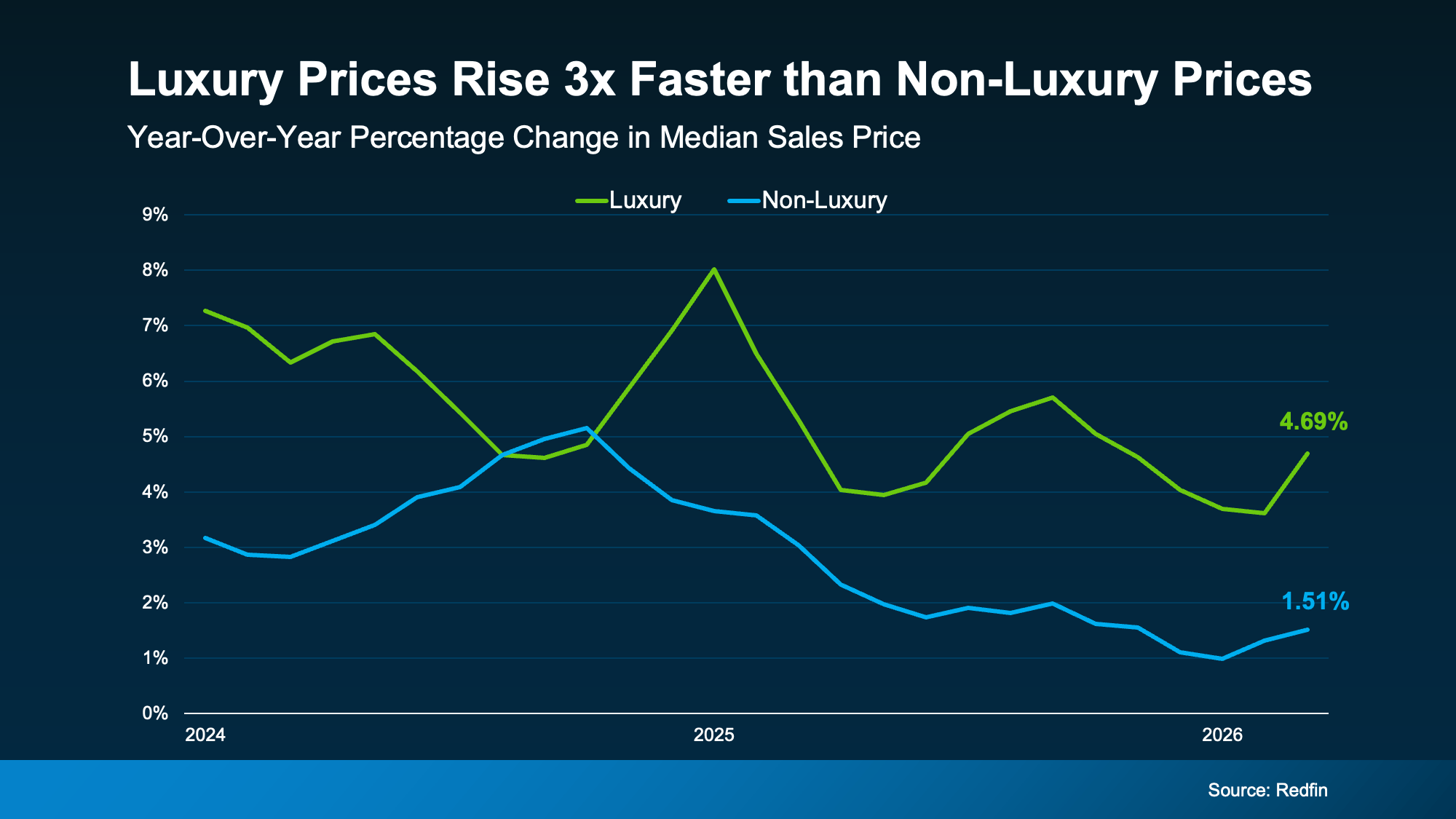
According to the latest Redfin luxury housing report, the national median luxury sale price increased 4.7% year over year during the 3 months ending May 2026, compared with a 1.5% increase for non-luxury homes. Pending luxury sales also rose 5.2%, which suggests high-end buyers remained active even while affordability continued to limit many buyers in lower price ranges.
Tampa’s numbers were even stronger. Redfin reported that luxury sale prices in the Tampa metro increased 15.6% year over year, pending sales rose 20.8%, and closed sales increased 27.4% during the same period. These figures are based on a rolling 3-month analysis and may be revised, but they show that Tampa’s upper price tier was moving differently from the rest of the local housing market.
Florida data points in the same direction. Florida Realtors reported that statewide closed sales of $1 million-plus single-family homes rose more than 14% year over year during the first quarter of 2026. Sales above $1 million for condos and townhomes increased even more sharply.
A rising luxury segment can create more opportunity, but luxury buyers still tend to compare properties carefully. They may have greater financial flexibility, yet they often have more choices about where and what to buy. An unrealistic asking price can still cause a home to sit, lose momentum, and require a later price reduction.
The right pricing strategy should account for more than price per square foot. Depending on the property, meaningful adjustments may include:
A property-specific analysis is more useful than applying a broad Tampa Bay percentage to an individual home. Sellers can begin with a professional home-value estimate, then review current competition, pending sales, recent closings, and listings that failed to sell.
Luxury buyers generally expect the marketing to match the property. Preparation should focus on removing distractions and making the home’s strongest features easy to understand.
That may include repairing visible defects, completing unfinished projects, improving landscaping, simplifying furnishings, and organizing records for major improvements. For waterfront or custom homes, buyers may also want information about docks, lifts, seawalls, generators, impact windows, warranties, permits, and specialized systems.
Professional photography is important, but it should be part of a complete presentation strategy. Floor plans, accurate property details, thoughtful staging, and a clear explanation of what makes the home difficult to duplicate can help buyers understand the value before and during a showing.
JB Realty’s Tampa Bay home-selling services are designed around pricing, presentation, marketing, negotiation, and communication throughout the sale.
High-end buyers are not always comparing similar houses in the same subdivision. A buyer considering a larger home in FishHawk may also consider new construction in Tampa, waterfront living in Apollo Beach, or a coastal property in Pinellas County.
That makes the likely buyer profile important. A seller should consider whether the property is most attractive to a local move-up buyer, an executive relocating to the region, a second-home buyer, or someone prioritizing waterfront access. Marketing should explain the property in the context of that buyer’s likely alternatives without making assumptions about protected characteristics or personal background.
Location details should be specific and useful. Drive times, access to major roads, boating access, lot characteristics, community amenities, and nearby commercial areas can matter more than generic descriptions.
The national median time on market for luxury homes was 49 days during the 3 months ending May 2026. In Tampa, the median was 33 days. Those are useful benchmarks, but they are not guarantees for an individual property.

A unique home may need more time because the buyer pool is smaller. Conversely, a well-positioned property with limited direct competition can attract strong interest quickly. Sellers should evaluate showing activity, buyer feedback, online engagement, and changes in competing inventory during the first few weeks rather than relying only on the original list-price strategy.
Current data shows stronger price growth and buyer activity in Tampa’s luxury tier than in many other parts of the housing market. A seller’s actual opportunity still depends on the home’s location, condition, price range, and competition.
There is no permanent dollar threshold. Luxury is commonly measured as the top portion of the local market, so the price can vary significantly between Tampa, Apollo Beach, FishHawk, and Pinellas County.
They can because the buyer pool is smaller, but the latest national data showed a median of 49 days on market for luxury homes and 33 days in Tampa. A unique or overpriced property may take longer, while a well-prepared home with limited competition may move faster.
Not automatically. Sellers should prioritize repairs, unfinished work, and items that could create buyer concern. Larger renovations should be evaluated based on likely return, timing, and whether buyers in that price range would prefer to customize the property themselves.
Pricing should combine recent comparable sales with active competition, property condition, location, land, views, waterfront features, construction quality, and buyer demand. The goal is to establish a defensible price that creates interest without leaving money on the table.
Ask JB Realty to review your property’s likely luxury-market position, current competition, and recommended selling strategy before deciding when and how to list.