
Many people assume selling without professional guidance is mostly about forms, scheduling, and hassle. But seller feedback consistently points to something else as the hardest part: getting the price right.
Pricing is not a guess and it is not a copy and paste from a neighborhood sale last year. It is a strategy based on current demand, current competition, and how buyers are behaving today.
Online estimates cannot see:
In a shifting market, buyers also have more options. That makes them more selective. When a home feels overpriced, buyers often move on instead of negotiating.
The list price shapes the first impression. If that first impression is “too high,” showings slow down. When showings slow down, offers drop. When offers drop, sellers often end up cutting price to regain attention.
That cycle is especially common for sellers who start too high.
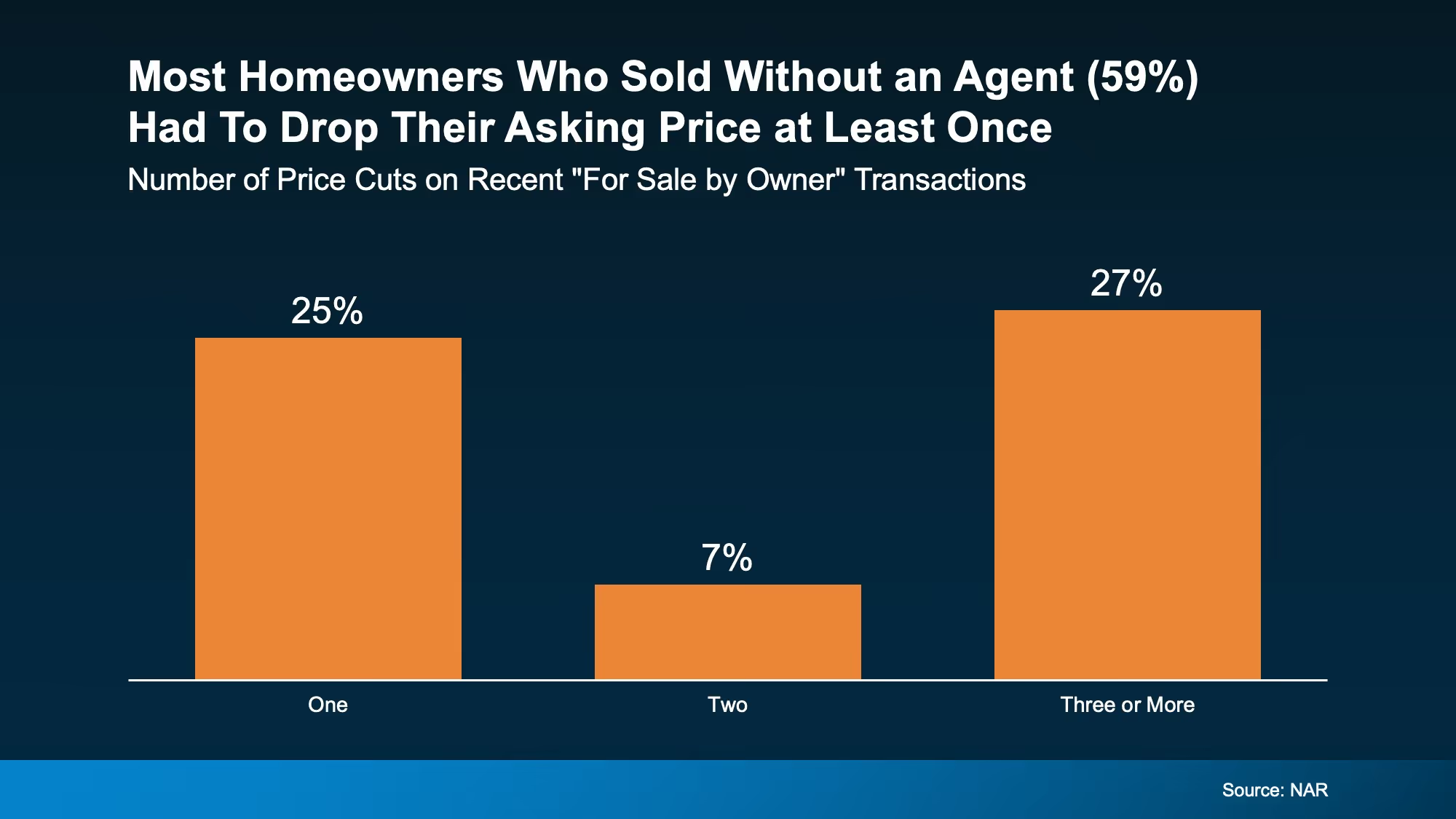
A price cut is not always a clean fix either. Some buyers interpret repeated reductions as a signal something is wrong, which can invite lower quality offers and tougher negotiations.
When a home sits, the market gives feedback. The longer it sits, the more leverage shifts to the buyer. Even if the home eventually sells, the final net can be lower than if it had been priced correctly at the start.
Pricing correctly is not about leaving money on the table. It is about positioning the home to create demand, competition, and urgency.
Pricing well means knowing what is happening right now in the specific pocket of Hillsborough or Pinellas where you live, including:
When sellers price with strong market context, they often avoid the costly back and forth of reductions, stale days on market, and weaker negotiating position.
Data commonly shows a noticeable gap in sale price outcomes between agent assisted sales and sales without representation.
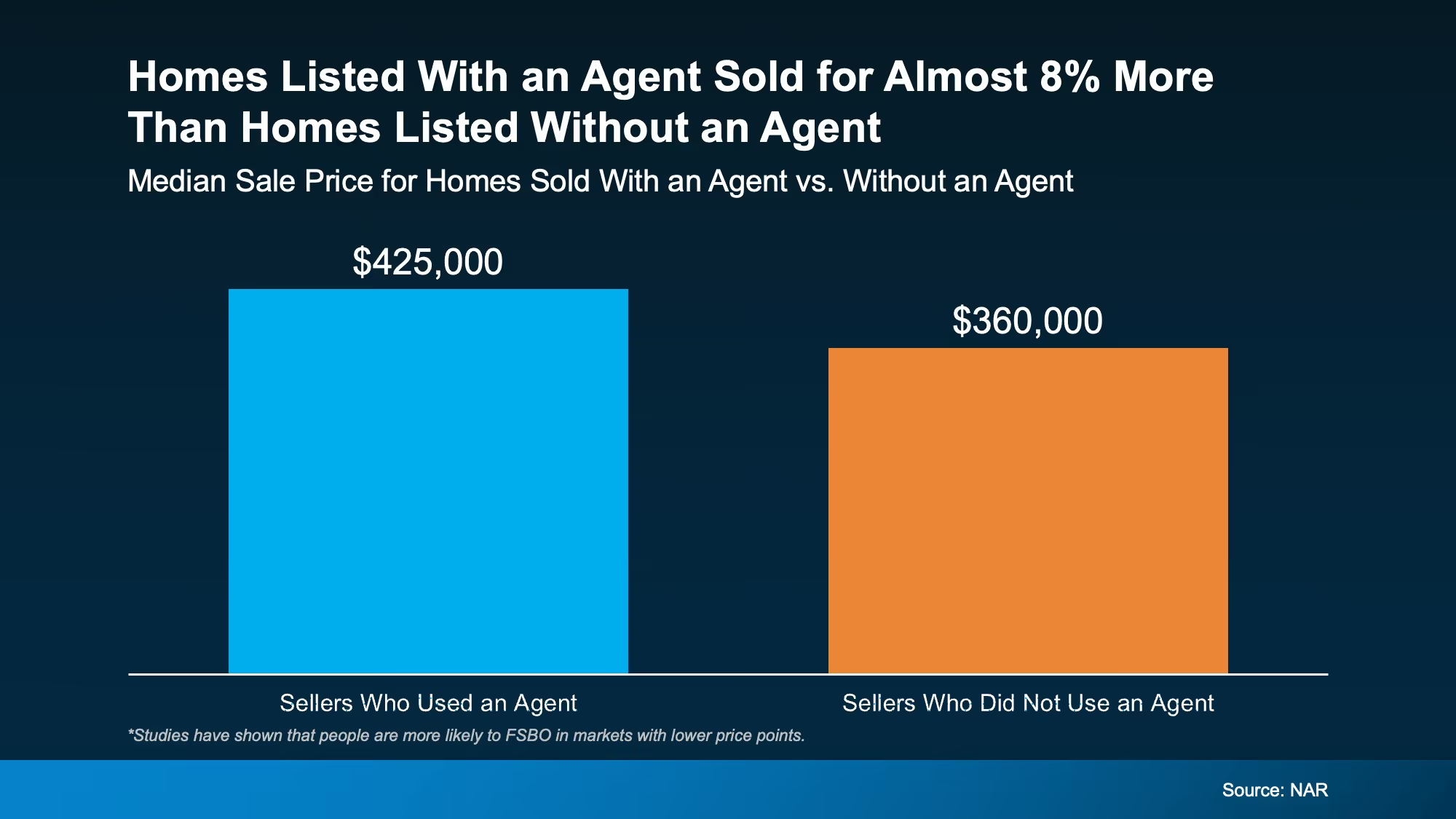
That gap is not magic. It is usually a combination of correct pricing, stronger presentation, broader exposure, and tighter negotiation strategy.
Look at recent closed sales, current active competition, and pending sales where possible. Closed sales tell you what buyers were willing to pay. Active listings tell you what you are competing against.
Discuss the goal. Max price, fast timeline, or clean terms. Strategy changes based on what you prioritize.
Pricing that only “works if everything goes perfectly” is fragile. Strong pricing anticipates buyer scrutiny and lender requirements.
Concessions can be structured to protect your net while improving affordability for buyers. That is often better than repeated reductions.