If you saw headlines saying home sales dropped in January, it is understandable to feel concerned, especially if you are thinking about selling in Tampa Bay this year.
The key issue is context.
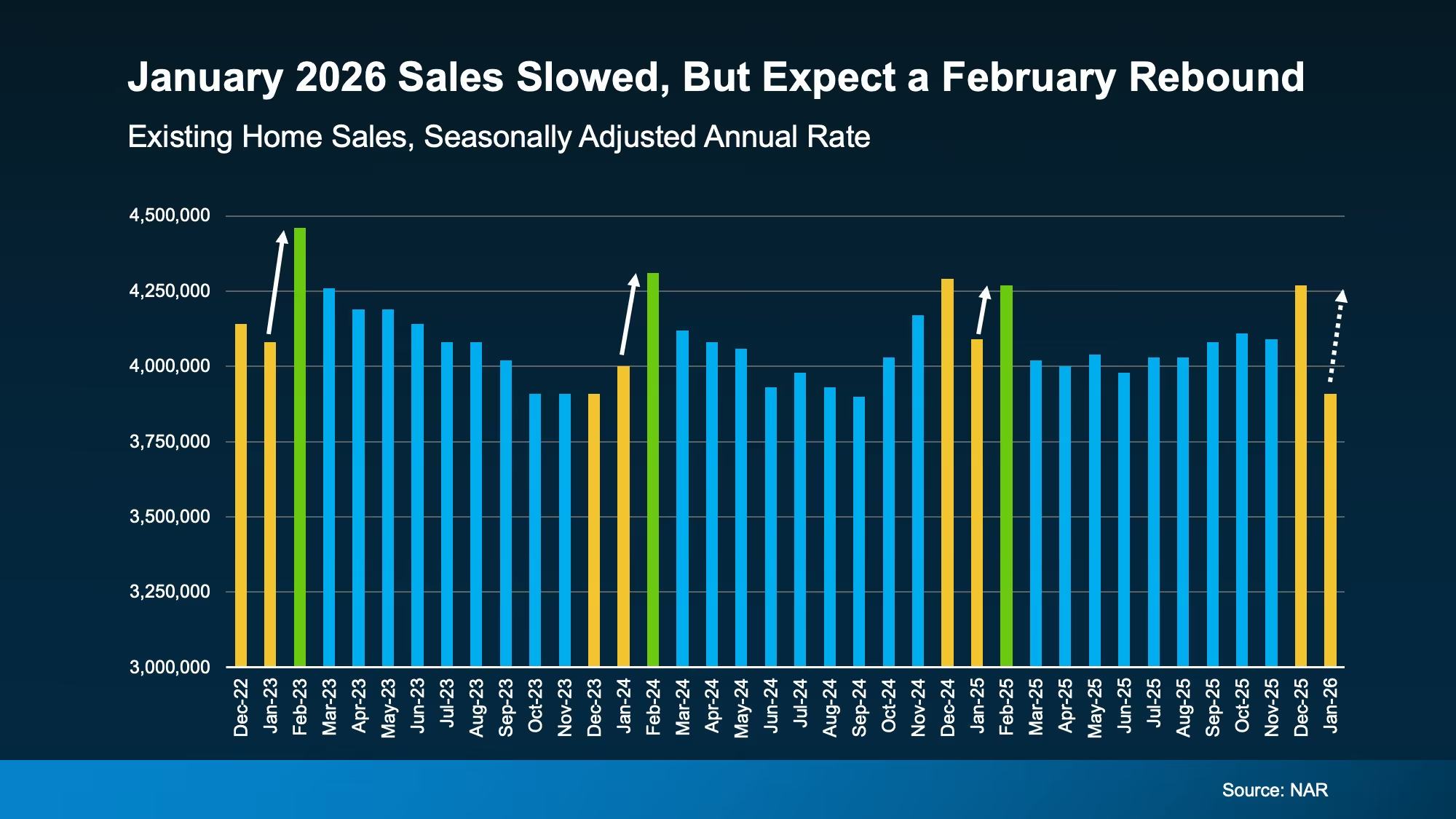
A January slowdown does not automatically mean buyer demand has disappeared. In many cases, January is a slower closing month because of normal seasonality, and this year weather disruptions in many parts of the country likely added to the slowdown.
For sellers in Hillsborough and Pinellas County, the better question is not whether January was slower nationwide. The better question is what buyers are doing right now in your local price range and neighborhood.
Closed sales measure transactions that made it all the way to the finish line.
That means a deal can be active and healthy, but still show up later in the data if inspections, appraisals, financing steps, or final walk through timing push the closing date into the next month.
This is one reason January numbers can look weaker even when buyers are still shopping and writing offers.
If you are planning to sell in Tampa, Riverview, Brandon, Westchase, St. Petersburg, or nearby areas, do not let one national headline dictate your pricing or timing strategy.
What matters more is:
In a market where buyers have more choices than they did a few years ago, sellers who price and prepare correctly can still generate strong results.
National reports are useful for direction, but they do not tell the full story of what is happening on your street, in your subdivision, or in your school zone.
Some Tampa Bay segments are still moving quickly, while others require more strategy and stronger positioning.
That is why sellers should evaluate:
A January dip in home sales does not necessarily signal a weak market.
It often reflects timing, seasonality, and delayed closings more than disappearing demand.
For Tampa Bay sellers, the right move is to focus on local data, realistic pricing, and strong preparation so your home stands out when buyers are ready to act.