
If you have lost out on multiple offers, it is easy to assume large corporations are scooping up most homes. The narrative spreads fast online, especially when prices are high and competition feels intense.
But perception and data are not always aligned.
Large institutional investors, typically defined here as companies owning 100 or more homes, represent a small slice of total purchases nationally.
One key data point shows large institutional investors accounted for about 1.2% of all home purchases in Q3 2025.
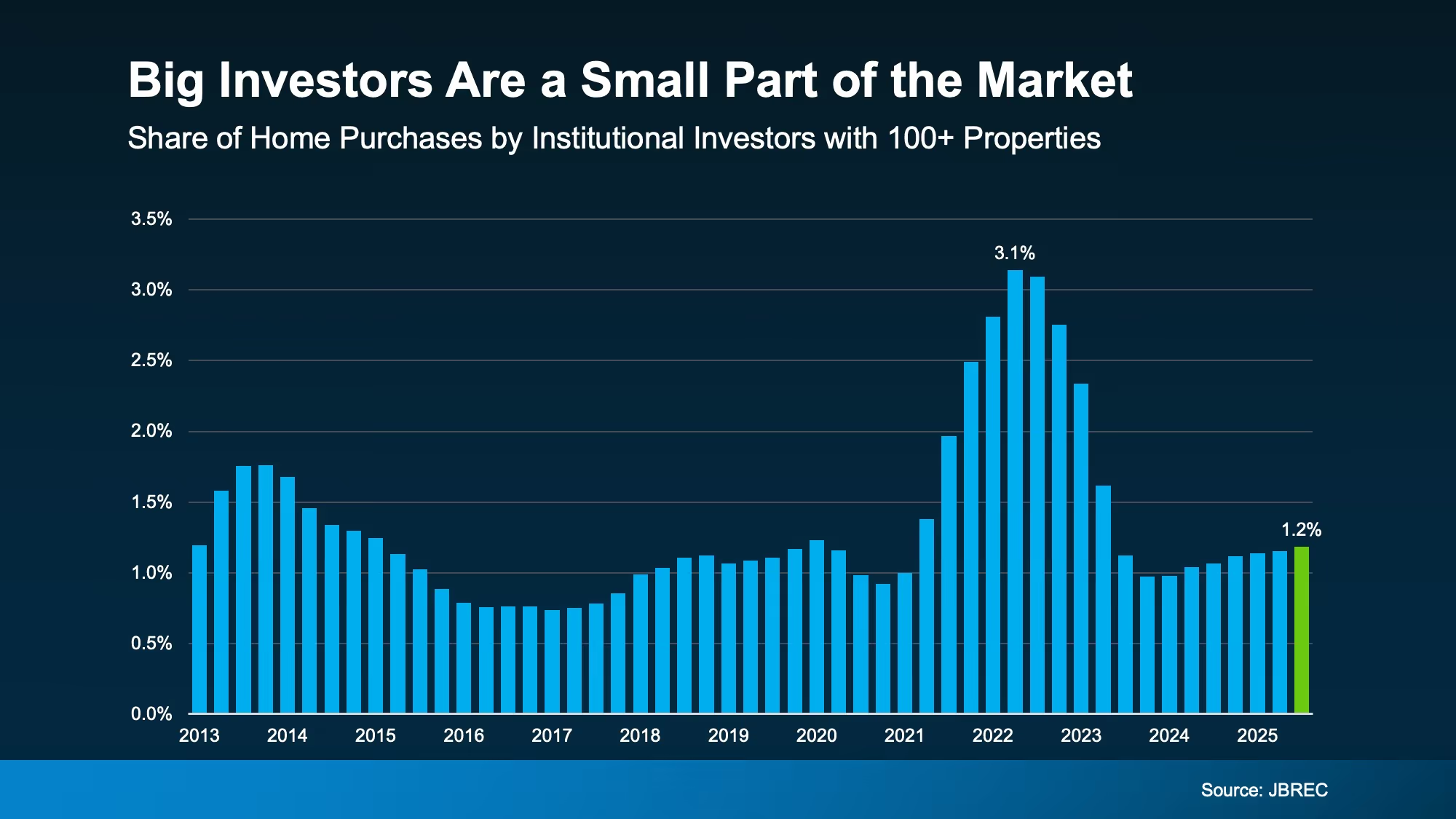
That means out of 100 homes sold, roughly 1 was purchased by a large institutional investor.
Even if the national share is small, some metro areas and certain price points see more investor concentration. In parts of Florida, investors may focus on homes that pencil as rentals, typically where price point, condition, and rent demand align.
Headlines often lump together:
• Large institutional buyers
• Small local investors with 1 or 2 rentals
• Second home buyers
• Mom and pop landlords
When those groups are combined, the “investor share” sounds huge, but it does not mean big Wall Street firms are dominating purchases.
In most cases, affordability strain is more about:
• Limited supply relative to demand
• Years of underbuilding
• Higher rates changing monthly payments
• Insurance and HOA costs affecting total payment
Investors can increase competition in certain segments, but they are not the primary reason most buyers feel squeezed.
Instead of assuming you are competing against a giant corporation on every offer, it is more useful to identify what you are competing against in your exact search range.
In many Hillsborough and Pinellas neighborhoods, the toughest competition is still other primary residence buyers, not institutions. But in some pockets, you may see more cash offers from small local investors.
Investors tend to prefer fast turn properties, minimal surprises, and predictable rent demand. Homes that need specialty work, have higher HOA restrictions, or require longer renovation timelines can be less attractive to many investors.
Sellers often choose offers with fewer risks. Strong terms can include:
• Solid preapproval
• Clear proof of funds for down payment and reserves
• Reasonable timelines that match the seller’s needs
• Focused inspection approach tied to major items
When inventory improves, you may have more opportunities to ask for concessions or repairs. That can reduce your cash to close or lower your payment, which often matters more than winning by a tiny price difference.
Big institutional investors are a small share of total home purchases nationally.
Investor activity can feel concentrated in certain pockets, but “investor” is often an overbroad label.
For most buyers, the best path is a local strategy that targets the right homes and uses strong terms to win without overpaying.