If you have been seeing headlines about home prices falling, it is easy to assume your home value must be sliding too. The reality is more nuanced. Some markets have cooled, but nationally, prices are not falling across the board. Most of the country is still seeing prices rise, just at a more normal pace.
Here is the key point: a few areas have seen small dips, but the majority of states are still showing positive year-over-year price growth.
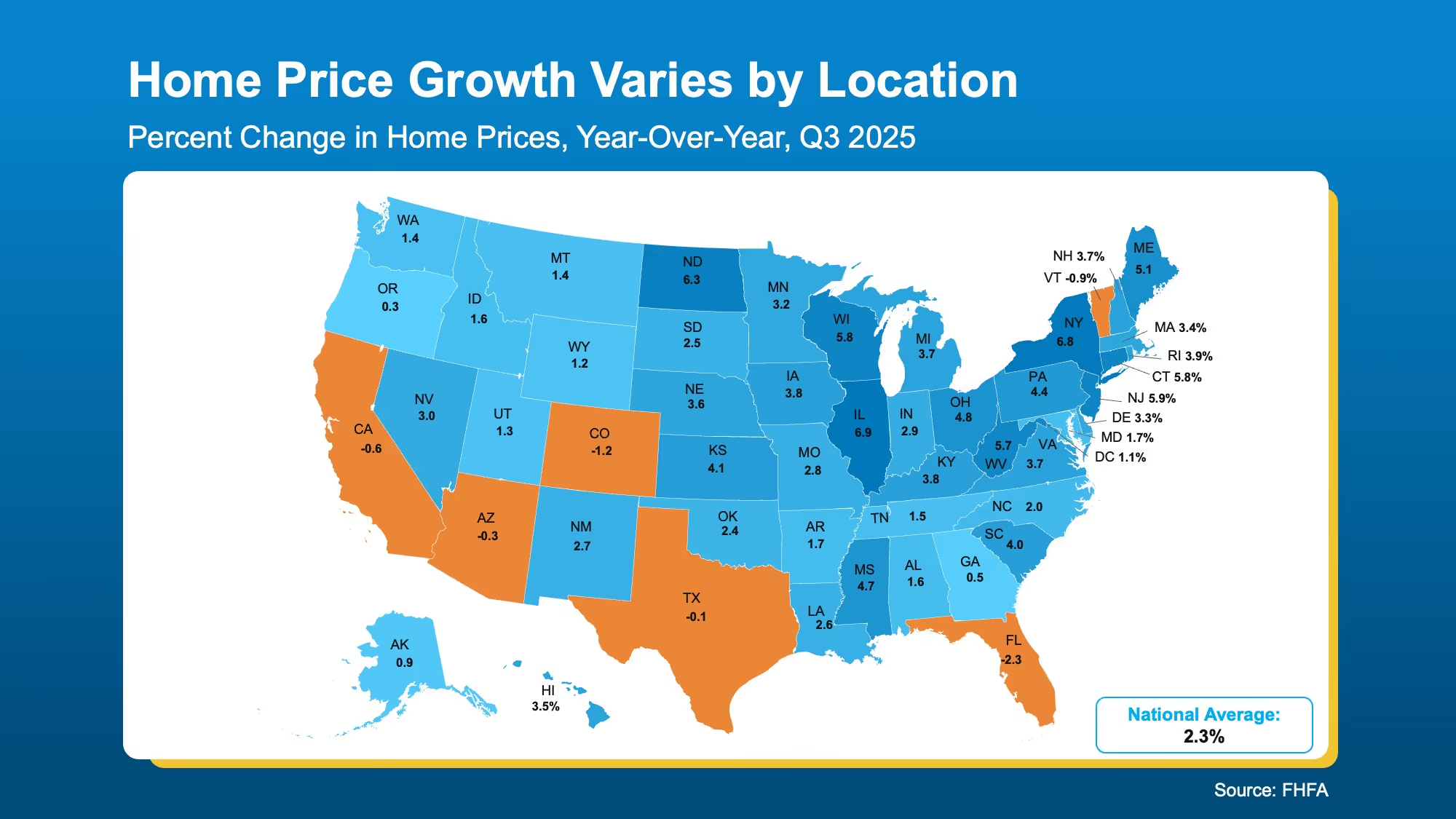
That is why national reporting still shows home prices up 2.1% compared to last year. In other words, the overall trend is still upward, even if certain pockets have softened.
In the states where prices have slipped, the declines have been modest, roughly in the -0.1% to about -2% range. Those are not crash numbers. That kind of pullback is often what happens after prices rose too far, too fast. It is a correction and a return to more sustainable growth, not a collapse.
Even in the areas that cooled slightly, most homeowners are still ahead. One estimate shows only about 4% of homes are worth less than what the owner paid, meaning about 96% are still worth more than their purchase price. That should help put scary headlines into perspective.
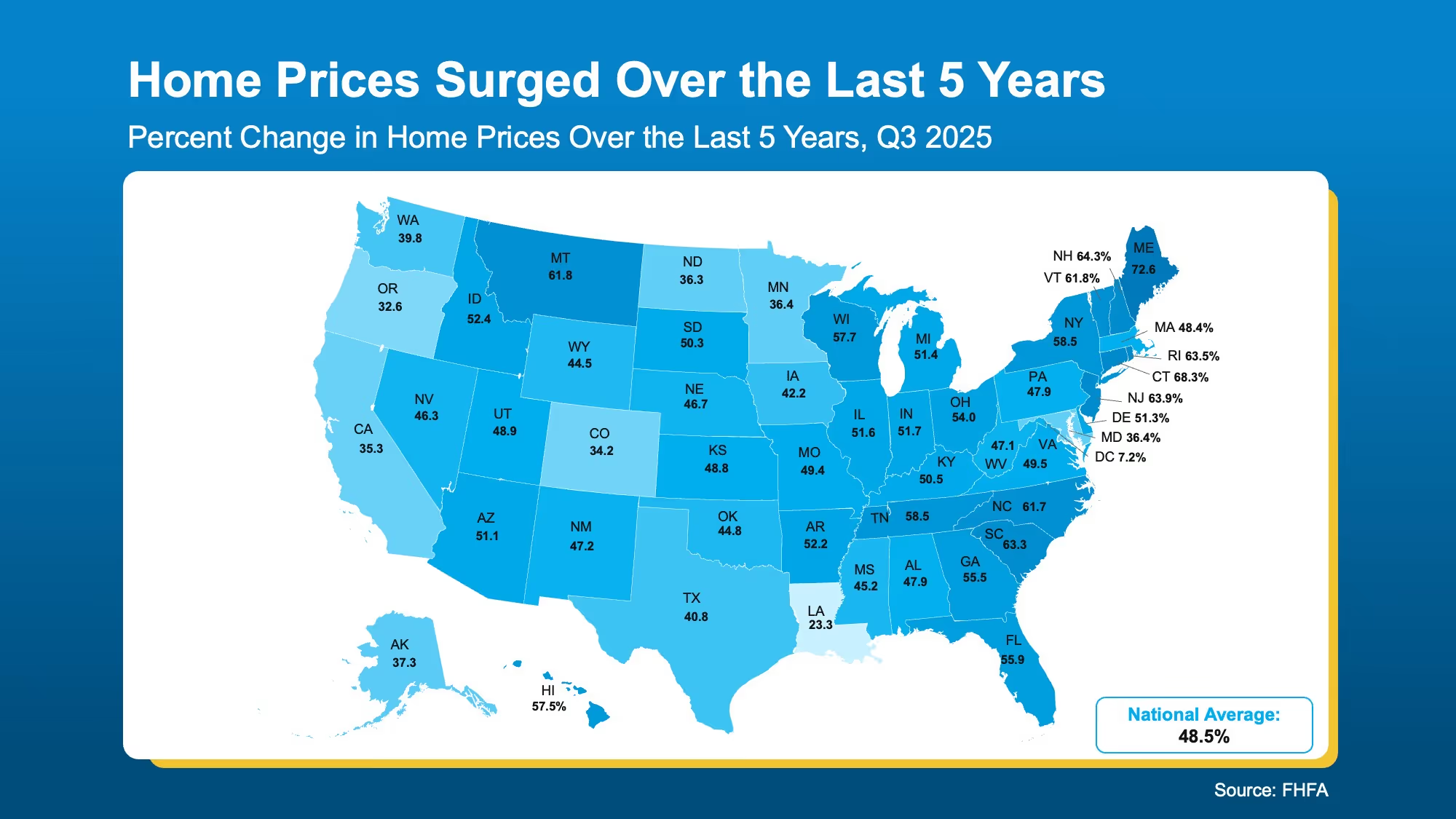
Short-term shifts feel bigger when you stare at a 12-month window. But when you look at the last 5 years, national home prices are up almost 49%. That bigger trend is why most homeowners still have substantial gains, even if the most recent year looks choppier in some markets.
If you are in places like Tarpon Springs, Safety Harbor, Gulfport, Lutz, or nearby neighborhoods, the best move is to focus on the micro market, not the national headline. Real estate is hyper local, and your value is driven by what is selling right now within your price range, school zones, condition level, and neighborhood competition.
Here is the practical way to stay grounded:
A few markets may soften, but that does not mean home values are crashing nationwide.
Most homeowners still have meaningful equity, and the long-term trend remains positive.
The smartest next step is to review your neighborhood numbers so you know what is actually happening where you live