Selling a home is not just about putting it on the market and waiting for buyers to show up. In a market where buyers have more options, the way a home looks, feels, photographs, and presents online can make a real difference.
That is where staging comes in. Home staging helps prepare a property so buyers can understand the space, picture themselves living there, and feel more confident about making an offer. For sellers across the greater Tampa Bay area, especially in competitive parts of Hillsborough & Pinellas, that first impression matters.
Home staging is the process of preparing a house so it appeals to the broadest pool of qualified buyers. That can include decluttering, deep cleaning, rearranging furniture, removing distracting personal items, improving lighting, and adding simple touches that make each room feel more open and usable.
The goal is not to make the home look fake or overly decorated. The goal is to help buyers focus on the property itself instead of being distracted by clutter, awkward furniture placement, dark rooms, or unfinished details.
For many sellers, staging starts with the basics. Clean surfaces, organized closets, fresh bedding, clear counters, neutral decor, and better furniture flow can make the home feel more cared for before a buyer ever steps through the door.
When inventory rises, buyers tend to compare homes more carefully. A home that feels clean, bright, and move-in ready can stand out against similar properties that look cluttered, dated, empty, or poorly photographed.
That does not mean every home needs expensive professional staging. It does mean sellers should be intentional about presentation. Buyers are often making quick decisions online before they ever schedule a showing, so listing photos need to make the home feel worth seeing in person.
In Tampa Bay neighborhoods from Riverview and Brandon to Carrollwood, Westchase, St. Petersburg, Largo, Clearwater, and Dunedin, sellers are not just competing on price. They are also competing on condition, presentation, perceived value, and emotional connection.
The article explains that staged homes have been shown to sell up to 73% faster than unstaged homes, and vacant homes can often take two to three months to sell compared to staged homes that may close in under a month. It also notes that mid-level staging may deliver a 350% return on investment.
Using the example from the article, a $400k home with a typical $4k staging cost could potentially see roughly $18k in added value. After subtracting the staging cost, that would represent about $14k in additional potential profit.
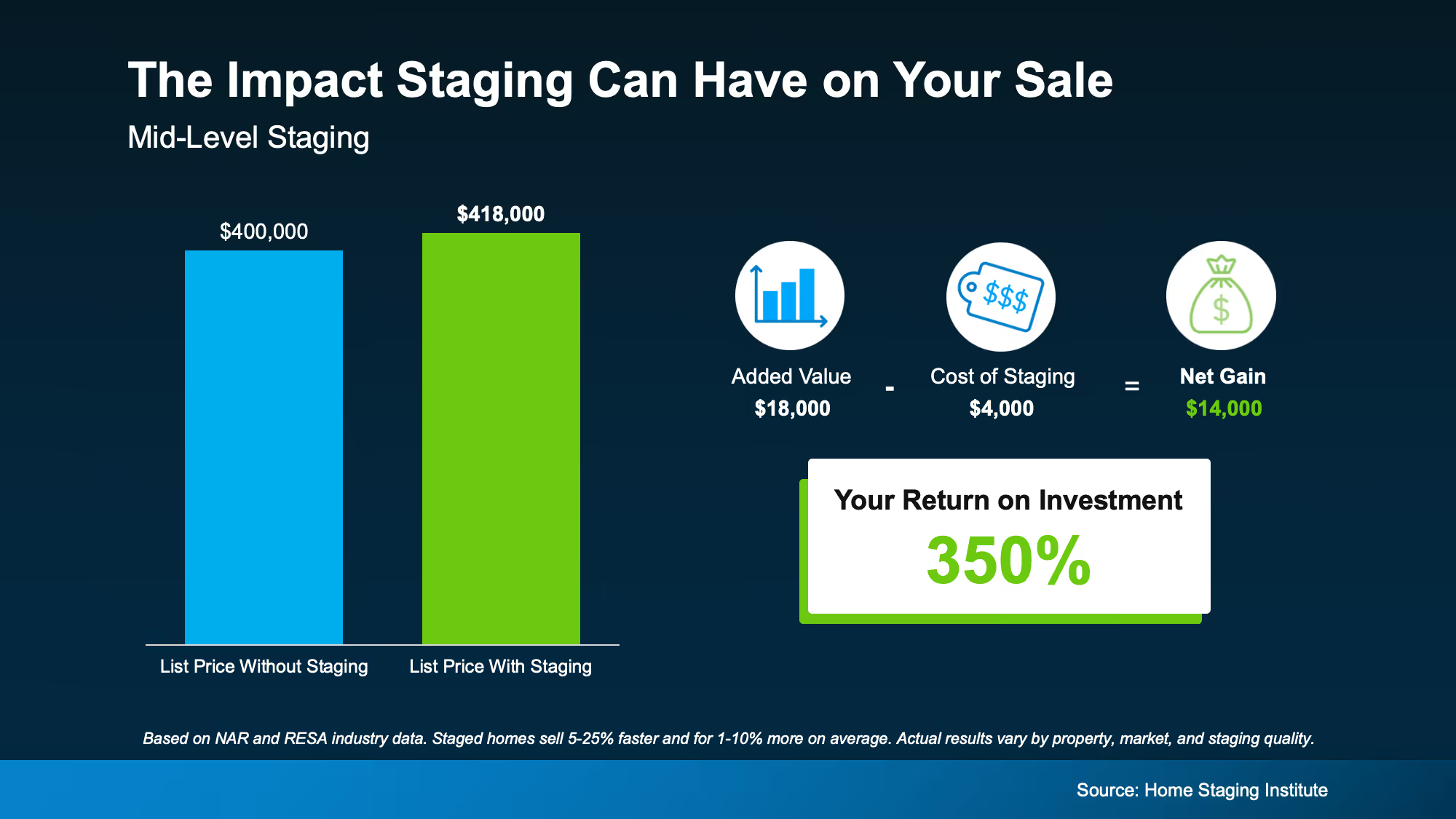
These numbers are not a guarantee for every home, but they show why staging should be part of the listing conversation. Even when staging does not dramatically increase the price, it may still help the home photograph better, attract more showings, reduce buyer hesitation, and improve the seller’s chances of receiving stronger offers.
Some sellers hear the word staging and immediately think of a large upfront expense. While full professional staging can be valuable, it is not the only way to improve a home’s presentation.
Professional staging usually involves a stager bringing in furniture, decor, artwork, rugs, and accessories to make the home feel more polished. According to the article, this can cost anywhere from $500 to $5k or more, depending on the size of the home and the scope of the work.
Virtual staging may be another option for vacant homes. This allows furniture and decor to be added digitally to listing photos, which can help buyers understand how rooms could be used. However, sellers should be careful to make sure virtual staging is realistic and clearly represented so buyers are not disappointed when they visit the home in person.
For sellers who do not want to spend heavily on staging, DIY preparation can still go a long way. Decluttering, deep cleaning, touching up paint, improving curb appeal, opening blinds, replacing burned-out bulbs, and simplifying each room can make the home feel more inviting.
Furniture placement is especially important. A room may be large, but if the layout feels awkward, buyers may assume the space is less functional than it really is. Sometimes removing extra furniture or repositioning key pieces can make a room feel noticeably larger.
Sellers should also pay attention to closets, garages, pantries, laundry rooms, and storage spaces. Buyers in Florida often care about storage, and crowded spaces can make a home feel like it does not have enough room, even when the square footage is strong.
The most important staging priorities are the areas that shape a buyer’s first impression. That usually includes the entry, living room, kitchen, primary bedroom, bathrooms, and outdoor living areas.
In Florida, outdoor spaces can be a major selling point. A screened lanai, patio, pool area, or backyard should feel clean, usable, and easy to enjoy. Even simple updates like pressure washing, trimming landscaping, arranging patio furniture, and removing worn outdoor items can help buyers picture the lifestyle the home offers.
Kitchens and bathrooms also deserve extra attention. Sellers do not always need major renovations, but these spaces should look clean, bright, and well cared for. Clear counters, fresh towels, organized cabinets, updated lighting, and small cosmetic improvements can help buyers focus on the home’s value instead of its flaws.
The right staging plan depends on the home, price point, condition, location, budget, and buyer pool. A vacant luxury home may need a different strategy than an occupied starter home, townhouse, condo, or investment property.
That is why staging should be practical, not random. Sellers should focus on the changes most likely to improve buyer perception and avoid spending money on details that will not move the needle.
A good listing strategy looks at how the home will compete against similar active listings. If nearby homes are newer, cleaner, better staged, or more visually appealing online, then presentation becomes even more important.
Staging is not about pretending a home is something it is not. It is about presenting the property clearly, cleanly, and strategically so buyers can see its potential.
For sellers, the right staging plan can help a home stand out, photograph better, attract more interest, and possibly sell faster or for more. Whether the best approach is professional staging, virtual staging, or thoughtful DIY preparation, the goal is the same: make it easier for buyers to say yes.