At some point, many homeowners start asking a practical but emotional question: should we stay in this home long-term, or would it make more sense to sell and move?
It is not always an urgent decision. Sometimes it starts with small things, like stairs becoming more noticeable, maintenance feeling heavier, or wondering whether the home will still fit your lifestyle 5 or 10 years from now.
For many homeowners, the first instinct is to stay. That makes sense. Your home may hold years of memories, routines, comfort, and familiarity. But even if staying is your preference, it is worth thinking through what that choice may require.
Many older adults would rather remain in their current home as they age. The uploaded article shows that about 90% of adults over 65 prefer to stay in their homes as they get older.

That preference is understandable. Staying can mean keeping your neighborhood, your familiar routines, your nearby friends, your favorite stores, and the emotional comfort of a home you already know.
But aging in place works best when it is planned carefully. A home that fits your life today may need updates later, and waiting too long to think about those changes can make decisions feel rushed or more stressful.
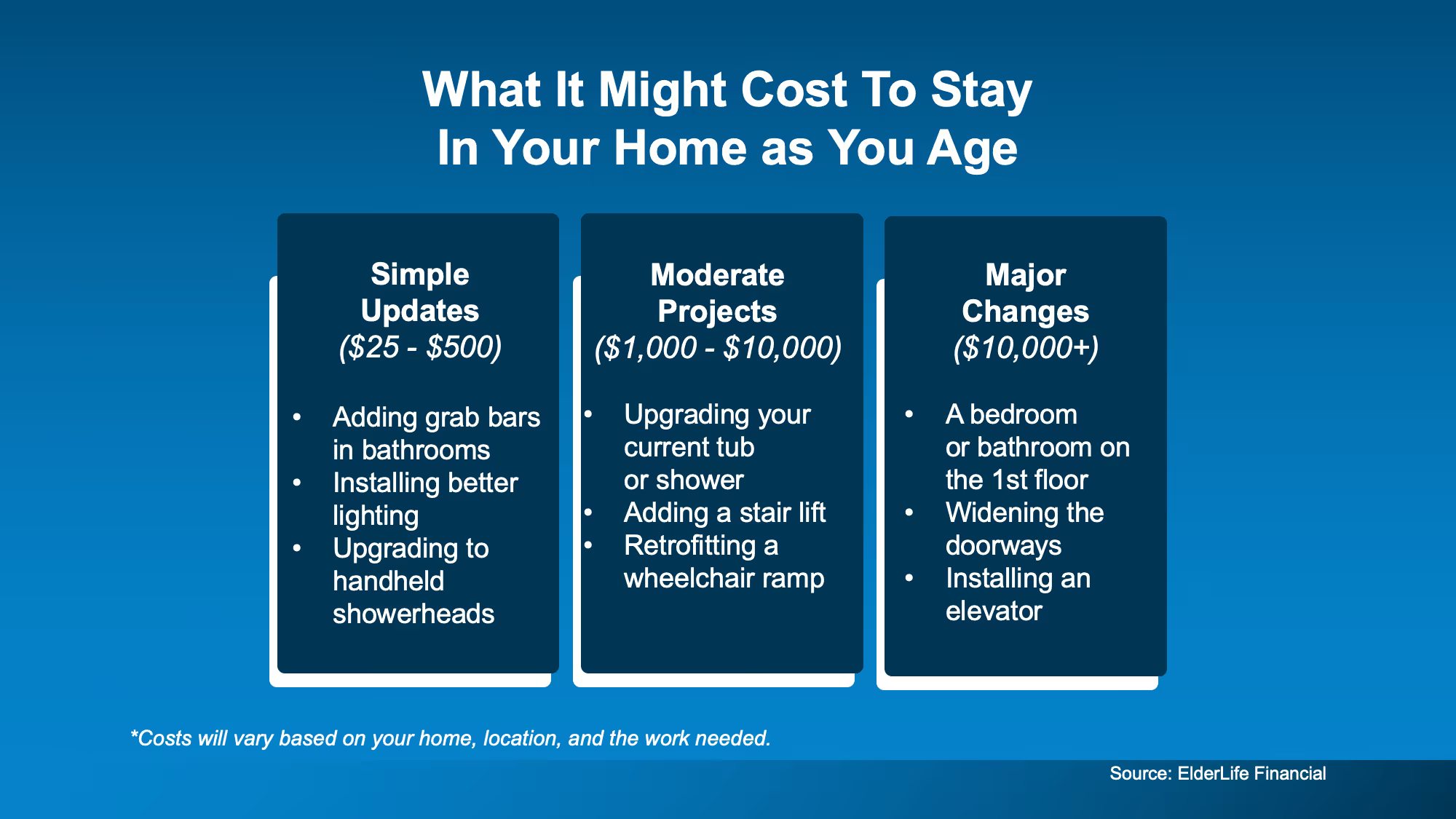
Aging in place is possible for many homeowners, but it may require changes to the home over time. Some updates may be simple, while others can become more involved depending on the layout and condition of the property.
Smaller changes may include grab bars, better lighting, safer flooring, lever-style door handles, or a more accessible shower. Larger changes may include widening doorways, modifying bathrooms, changing the kitchen layout, adding ramps, or creating a first-floor bedroom option.
In Florida, homeowners should also think about the exterior. Yard maintenance, hurricane preparation, roof age, insurance condition, pool upkeep, and general repairs can all affect whether staying in the home remains practical.
Planning early gives you more control. Instead of waiting until there is a medical need, maintenance issue, or family pressure, you can evaluate your options while you still have time to make thoughtful decisions.
That may mean spacing out improvements over several years. It may mean getting contractor estimates, comparing the cost of updates against the value of the home, or deciding which changes are worth making based on how long you expect to stay.
For homeowners in Hillsborough County and Pinellas County, it is also important to consider local home values. Some improvements may make the home safer and more comfortable, but they may not always return dollar-for-dollar value when the home is eventually sold.
Staying may make sense if the home is manageable, the layout still works, and the cost of updates is reasonable. It may also make sense if you have a strong support system nearby and you are comfortable maintaining the property.
It can also be the right choice if your monthly costs are predictable and moving would create unnecessary financial stress. For some homeowners, a paid-off or low-payment home can provide stability that is hard to replace.
But the decision should be based on the full picture. Staying is not just about whether you love the home. It is also about whether the home can continue supporting your safety, comfort, budget, and lifestyle.
Selling may make more sense when the home starts making daily life harder. That could mean stairs are becoming difficult, the floor plan no longer works, or maintenance is taking more time, money, and energy than you want to spend.
It may also make sense if you want to simplify. Some homeowners are ready for a smaller home, a villa, a condo, a 55+ community, or a property closer to family, healthcare, church, or everyday conveniences.
For others, selling is not about necessity. It is about choosing a lifestyle with less upkeep and more freedom. A different home may offer lower maintenance, better accessibility, and a more comfortable setup for the next chapter.
Start with the layout. Think about stairs, bathrooms, doorways, laundry location, parking, entryways, and whether the most important living spaces are easy to access.
Then look at maintenance. Consider the roof, HVAC, plumbing, electrical, landscaping, pool, windows, exterior upkeep, and any repairs you expect in the next few years.
Finally, compare the cost of staying with the cost of moving. Staying may require renovations and maintenance. Moving may involve selling costs, moving costs, a new purchase price, HOA fees, insurance, property taxes, and possible community fees.
Your home’s current value can affect your options. If you have built significant equity, selling may give you flexibility to downsize, reduce debt, buy a more manageable property, or strengthen your financial position.
On the other hand, if your home is already affordable and only needs modest updates, staying may be the more practical choice. The best answer depends on your equity, goals, health, family needs, and the type of home you would move into.
In the Tampa Bay area, these decisions can vary widely by neighborhood. A homeowner in Brandon, Riverview, Westchase, Clearwater, Largo, or St. Petersburg may have different resale opportunities, insurance considerations, and replacement home options.
There is no one-size-fits-all answer. Some homeowners stay and make updates. Others sell so they can simplify, downsize, or move into a home that fits the next stage of life better.
The important thing is to think through the decision before it becomes urgent. When you understand the cost of staying, the value of your home, and the options available if you sell, you can make a confident decision instead of a rushed one.
For Tampa Bay homeowners, the right choice should support your comfort, safety, finances, and future plans. Whether that means aging in place or selling and moving on, the goal is to choose the path that gives you the best quality of life.